
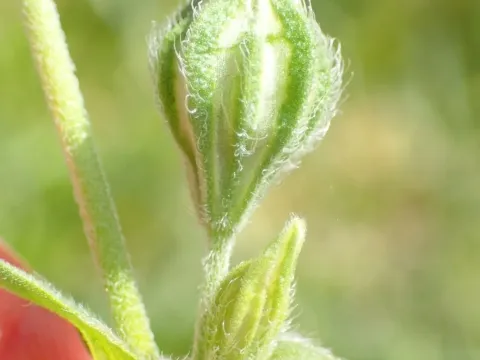
Silene apetala
Silene apetala
Silene apetala belongs to ephemeral annual plants, whose life cycle is strictly tied to the spring season under natural conditions.
What the section contains
Silene apetala
The plant's seeds germinate immediately after the snow melts and positive temperatures occur, making this species a typical representative of spring ephemerals.
In cultivation or for the study of the species biology, sowing is carried out before winter or early spring in warmed soil with low moisture content in the upper horizon.
The germination process requires high light intensity and minimal competition from perennial herbaceous species.
Optimal timing for seedling development usually falls between March and April, depending on latitude and soil warming.
This plant belongs to the Caryophyllaceae family and demonstrates high adaptation to arid environmental conditions.
Silene apetala prefers well-drained, sandy or stony soils, where water stagnation is excluded and conditions for rapid warming are created.
The culture is extremely demanding regarding sunlight and does not tolerate shading from taller neighbors, which limits its range to open areas.
In its natural habitat, it is found in the Mediterranean region, on the Iberian Peninsula, and in North Africa, adapting to mild winters and dry summers.
Soil acidity should be neutral or slightly alkaline, as the plant does not tolerate acidified substrates characteristic of forest zones.
Like other members of the genus Silene, this species can be affected by pathogens typical of the Caryophyllaceae family, especially under high humidity conditions.
The greatest threat to vegetation is posed by fungal diseases such as root rot and powdery mildew, which arise from poor soil aeration.
Among pests, leaf-eating insects and certain species of nematodes stand out, which can significantly reduce biomass during the active flowering period.
Aphids often settle on the generative organs of the plant, sucking juices from the stalks, leading to deformation of seed pods and reduced seed quality.
Disease prevention consists of maintaining an optimal water regime and ensuring free air circulation in the plantings to avoid the formation of infection centers.