
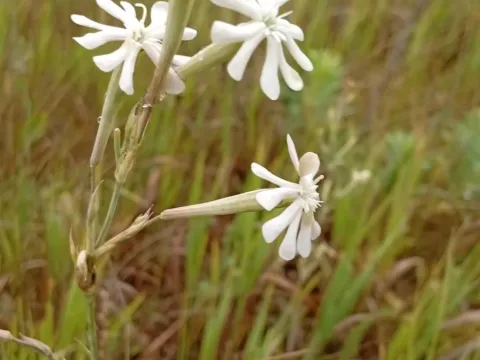
Silene bupleuroides
Silene bupleuroides
Silene bupleuroides is a perennial herb belonging to the Caryophyllaceae family. Its propagation is primarily achieved through seeds, which require specific conditions for optimal germination, often involving exposure to cool temperatures to break dormancy.
What the section contains
Silene bupleuroides
Sowing should be carried out in late autumn or early spring. The seeds are small and should be sown at a shallow depth of approximately 1 centimeter to ensure they receive enough light, which is crucial for the germination process of this species.
Proper field preparation is essential. The soil must be fine-tilled and free of aggressive perennial weeds to prevent competition during the delicate early growth stages. Row spacing should be maintained between 30 and 50 centimeters for efficient field management.
Seedlings emerge relatively quickly if soil moisture levels remain consistent. In the first year, the plant invests energy into developing a robust root system and a basal rosette of leaves rather than rapid stem growth.
Establishing a uniform plant stand requires precise seeding rates, usually adapted based on seed vitality tests. Successful establishment in the first year ensures a productive harvest in subsequent years.
This species thrives in sunny, open locations where light exposure is maximized. While it shows remarkable tolerance to dry spells once established, adequate moisture is required during the initial growth phase for optimal biomass production.
Silene bupleuroides prefers well-drained, sandy-loam soils with a neutral pH. Waterlogging is a significant threat, as it can cause root rot, making site selection with adequate drainage a primary priority for farmers.
Nutrient requirements are moderate. Over-fertilization, especially with nitrogen, can lead to excessive foliage growth and a decrease in the concentration of secondary metabolites, which are often the primary harvest target.
The plant is known for its winter hardiness, surviving cold winters in temperate climates without significant damage to the root system. Ideal temperatures for active growth range from 18 to 25 degrees Celsius.
Regular weeding and inter-row cultivation are vital not only to minimize weed pressure but also to improve soil aeration, which promotes healthy root development and overall plant vigor.
Pest pressure from leaf-eating insects and caterpillars can be significant during the peak growing season. Integrated pest management, including the use of targeted biological controls, is recommended to mitigate these threats.
Fungal diseases, including powdery mildew and leaf spots, may occur under conditions of high humidity and poor ventilation. Keeping plant density at appropriate levels is the most effective cultural method to prevent these outbreaks.
Root rot is the most serious disease risk, typically associated with poor soil drainage and water accumulation. Ensuring that fields are well-drained and implementing proper crop rotation cycles are essential strategies to minimize pathogen buildup.
Monitoring the fields for early signs of infection allows for the timely application of fungicides, reducing the risk of yield loss. Choosing resistant plant varieties or healthy seeds is a foundational aspect of risk management.
Overall, maintaining plant health through proper nutrition and field hygiene reduces the susceptibility of Silene bupleuroides to environmental stressors and biotic pests.
The harvest of Silene bupleuroides is timed to coincide with the full bloom stage. This period is critical because the concentration of bioactive compounds in the stems and leaves is highest during active flowering.
Mechanical harvesting using specialized mowers is standard for large-scale production. The cutting height must be carefully set to harvest the aerial parts without damaging the basal plant tissues, ensuring the longevity of the perennial crop.
Post-harvest processing requires immediate drying to prevent deterioration. The harvested biomass should be dried in well-ventilated areas or specialized ovens at temperatures not exceeding 45 degrees Celsius to preserve chemical integrity.
Proper storage is essential to maintain product quality. The dried product should be kept in cool, dark, and moisture-free environments to prevent mold growth and chemical degradation during storage.
For seed production, harvesting should occur once the seed capsules have fully matured. A multi-stage approach or specialized seed harvest equipment is often employed to minimize seed shedding and harvest losses.