
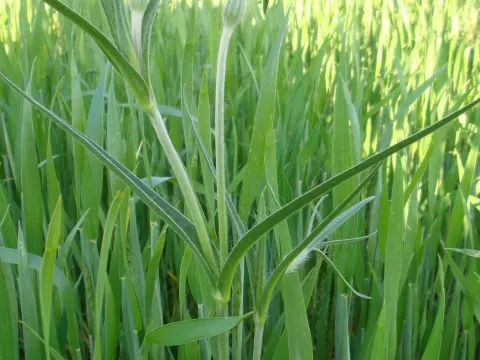
Silene cephallenia
Silene cephallenia
Silene cephallenia is a perennial herbaceous plant belonging to the Caryophyllaceae family. Native to the mountainous terrains of Greece, particularly Cephalonia, it has adapted to harsh environmental conditions, making it an excellent choice for rock gardens and dry landscapes.
What the section contains
Silene cephallenia
The plant thrives in well-drained, gritty, or sandy soils with a neutral to slightly alkaline pH level. Its natural habitat is characterized by poor nutrient availability, so overly fertile soil should be avoided to maintain the plant's natural compact and sturdy habit.
Full sun exposure is a mandatory requirement for this species. Adequate light levels ensure the development of strong stems and vibrant flowers, while shaded positions significantly reduce the plant's overall vigor and can lead to leggy, unattractive growth.
Climatic requirements are focused on drought tolerance. The species is highly capable of surviving extended periods of low rainfall once established, thanks to its deep root system and structural adaptations that minimize transpirational water loss.
Agrotechnical management is relatively low, focusing primarily on site preparation. Incorporating gravel or crushed stones into the soil mix during planting ensures that the root zone remains aerobic, preventing the accumulation of excess water during the dormant season.
Root rot caused by Phytophthora or similar fungal agents is the primary threat to Silene cephallenia, triggered almost exclusively by waterlogged soil conditions. Implementing proper drainage is the most effective management strategy against this disease.
Powdery mildew can occur during periods of high humidity combined with poor air circulation. Thinning out overcrowded plantings and removing infected plant tissue are standard cultural control practices to mitigate the spread of fungal spores.
Aphids are the most common insect pests, typically congregating on the undersides of leaves and on young flowering stalks. Periodic monitoring is essential to prevent colony buildup and to intervene with soap-based insecticides when necessary.
Spider mites may occasionally infest the foliage, particularly during dry and hot weather cycles. Regular inspection of the leaves for stippling or webbing patterns allows for early intervention before extensive damage occurs.
Slugs and snails can pose a risk to young seedlings and emerging spring growth. Providing physical barriers such as copper tape or crushed volcanic rock around the plant base is a recommended practice to prevent herbivory by these gastropods.