
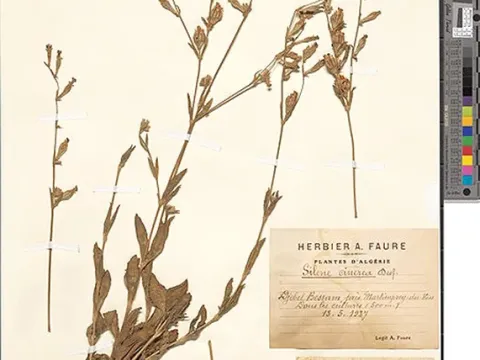
Silene cinerea
Silene cinerea
Silene cinerea belongs to the Caryophyllaceae family and is recognized as a hardy perennial species adapted to xeric environments.
What the section contains
Silene cinerea
Seed propagation is the primary method of reproduction. Sowing is best performed in early spring or autumn, providing the seeds with sufficient stratification for better germination.
The seeds should be sown shallowly, as they require a certain amount of light for optimal emergence, keeping the soil moist but well-drained during the initial germination phase.
Once established, the plant develops a taproot system, which helps it survive in arid conditions and allows it to persist in stable plant communities.
Planting density should be carefully managed to avoid competition for nutrients and space, ensuring each individual has enough room for full development of its basal rosette.
This species thrives in well-lit, sunny areas. Shade is detrimental to the plant's growth, causing etiolation and significantly weakening its overall structure.
Soil requirements are relatively modest; Silene cinerea prefers light, sandy, or rocky substrates with excellent drainage and a neutral to slightly alkaline pH.
The plant demonstrates remarkable drought tolerance, making it an excellent candidate for xeriscaping or restoring degraded steppe habitats.
Temperature range is broad, as the species is highly resistant to both summer heat and winter freezing, reflecting its evolutionary adaptation to continental climates.
Excessive nitrogen fertilization is not recommended as it promotes succulent vegetative growth at the expense of root system strength and overall plant hardiness.
The most common issues for Silene cinerea are related to excessive moisture, which often leads to root rot and other fungal pathogens that thrive in humid environments.
Insects like aphids can occasionally affect the flower buds, reducing seed production and potentially leading to the spread of plant viruses.
Leaf-chewing larvae may cause damage to the rosette foliage, particularly in early spring when the plant is just starting its active growth cycle.
Soil-borne pests like wireworms pose a threat to the young taproot, which can jeopardize the survival of the individual plant.
Implementing proper spacing and ensuring good airflow are crucial preventive measures to reduce the prevalence of both fungal and insect-related threats.