
Siberian campion
Silene sibirica
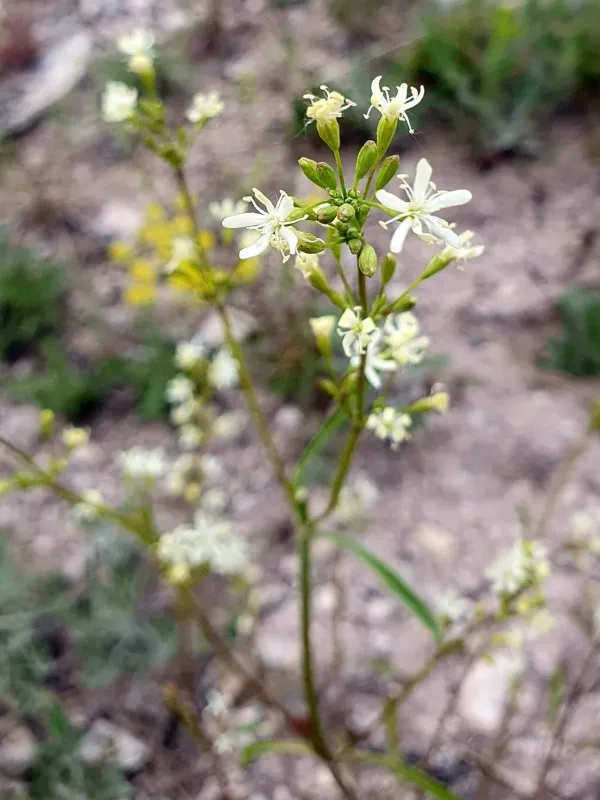
Description
Growing requirements
Siberian campion (Silene sibirica) is a perennial herbaceous plant belonging to the Caryophyllaceae family. It is native to the steppe and forest-steppe regions of Eurasia, characterized by its ability to thrive in harsh, continental climates.
The plant exhibits remarkable adaptability to various soil types, preferring well-drained, sandy, or stony substrates. Its drought tolerance is a key feature, allowing it to persist in arid environments where other forage crops might fail.
Botanically, the plant is distinguished by a strong root system and specialized leaf adaptations that minimize moisture loss. These features make it an ideal candidate for soil stabilization and revegetation efforts in degraded steppe areas.
In terms of agricultural management, Silene sibirica requires minimal inputs. It is generally sown in well-aerated soils and does not require intensive fertilization, making it a sustainable choice for extensive pasture systems.
The crop is primarily utilized for livestock grazing. It serves as a nutritional component of natural meadow hay and contributes significantly to the biodiversity of rangelands, ensuring a stable food supply for livestock.
Main diseases and pests
Fungal diseases, particularly rusts and leaf spots, pose the most significant threat to the plant's health. These conditions are typically exacerbated by high humidity and poor drainage, leading to reduced photosynthetic efficiency.
Pest populations, including various beetles and larvae that target seed pods, are major threats to successful seed maturation. Protecting the reproductive cycle is crucial for the natural propagation of the species in wild-harvested stands.
Integrated pest management strategies focusing on optimal grazing schedules can effectively mitigate the impact of pests. Avoidance of over-grazing is essential to keep the plants vigorous and resistant to opportunistic pathogens.
Invasive weed species compete with Siberian campion for soil nutrients and sunlight, particularly during the early establishment phase. Regular monitoring and mechanical control are recommended for large-scale management.
Overall plant vitality is maintained by protecting the root crown from mechanical damage. Ensuring adequate rest periods for pastures allows the Siberian campion to recover its biomass and remain a productive forage resource.