
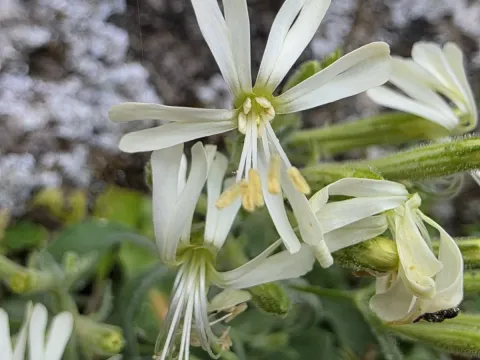
Silene andryalifolia
Silene andryalifolia
Silene andryalifolia is a hardy plant belonging to the Caryophyllaceae family, well-suited for temperate climatic zones and specific soil conditions.
What the section contains
Silene andryalifolia
Sowing should take place in late spring, ensuring the soil has reached a consistent temperature of at least 12 degrees Celsius for optimal germination.
The seeds are relatively small, requiring shallow planting depth to avoid energy depletion of the embryo before reaching the soil surface.
Space between rows should be wide enough to facilitate aeration and mechanical weeding, preventing the competition of wild grasses with the crop.
Regular irrigation during the establishment phase is recommended, followed by a gradual reduction to encourage deeper root system development.
The plant thrives in well-drained, porous soils that mimic its natural habitat, typically rocky or sandy terrains with high exposure to sunlight.
Drought tolerance is a key botanical feature of this species, making it an excellent candidate for low-maintenance agricultural landscapes.
Proper pH regulation is essential; while it is adaptable, the most vigorous growth is observed in neutral to slightly alkaline soil conditions.
Nutrient requirements are moderate, and excessive nitrogen application should be avoided as it may lead to weak, elongated stems.
Adequate ventilation within the plant canopy is crucial to minimize the accumulation of moisture and prevent physiological disorders.
Fungal pathogens represent the most significant threat to the crop, particularly when cultivation occurs in humid environments with poor drainage.
Root rot caused by stagnant water is a primary concern, often leading to rapid decline and mortality of affected plant populations.
Insect pests, such as larvae of noctuid moths, can cause significant damage to the vegetative parts, reducing the overall biomass production.
Integrated Pest Management (IPM) strategies, including crop rotation and monitoring, are highly recommended to mitigate damage without heavy chemical use.
Maintaining clean borders around the fields helps prevent the migration of pests and pathogens from adjacent wild vegetation areas.