
Silene alexandrina
Silene alexandrina
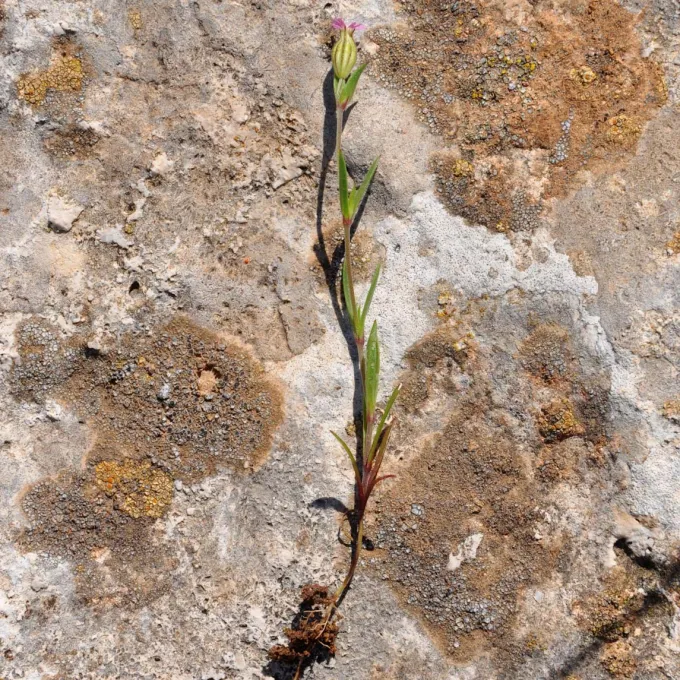
Description
Growing requirements
Silene alexandrina is a herbaceous perennial plant belonging to the large Caryophyllaceae family. The species is native to regions of North Africa and the Eastern Mediterranean, where it has evolved to thrive in dry, rocky, and well-drained habitats.
This plant requires full sun exposure to reach its full decorative potential. In environments with insufficient light, the plant tends to become spindly, and flower production decreases significantly, making placement in open garden areas essential.
Soil requirements for Silene alexandrina are specific: it demands light, well-draining soil, such as sandy or gravelly loam. The plant is extremely sensitive to waterlogging, which can cause root rot and rapid decline of the specimen during the growing season.
The climate preference for this species includes dry, warm conditions. It is well-adapted to drought, making it an excellent candidate for xeriscaping or rock gardens where supplemental water is limited or not desired once the plant is established.
In terms of agricultural and horticultural use, the plant is valued for its hardiness and ornamental appeal. It is commonly used in rockeries, borders, and gravel gardens where its resilience to heat and poor soil conditions can be effectively utilized.
Main diseases and pests
The primary threats to Silene alexandrina are fungal diseases primarily caused by excessive soil moisture and poor air circulation. Root rot and powdery mildew are the most common issues reported in areas with humid conditions.
Insect pests such as aphids and leaf-eating caterpillars can pose significant risks. These pests can rapidly affect the aesthetic value of the plant, necessitating regular monitoring and integrated pest management practices during the spring and summer.
Cultural prevention techniques are highly effective in managing potential threats. Ensuring proper spacing between plants allows for better airflow, which reduces the humidity around the crown and minimizes the likelihood of pathogen development.
Regular sanitation, such as removing dead foliage or wilted flower heads, helps in maintaining plant health and vigor. By keeping the immediate surrounding area free of debris and weeds, the grower reduces the risk of pest infestation.
When chemical interventions are required, it is important to choose treatments that are safe for the surrounding ecosystem. Using selective fungicides or insecticidal soaps can help manage outbreaks while preserving the health of the plant and its environment.