
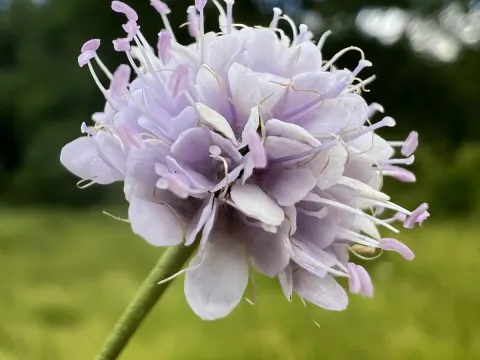
Succisella
Succisella
Sowing Succisella seeds is best performed in the spring once soil temperatures have consistently risen, ensuring favorable conditions for germination.
What the section contains
Succisella
For gardeners aiming for earlier blooms, starting seeds indoors in late winter is recommended, providing them with a steady environment and adequate light.
Seeds require light for optimal germination; therefore, they should be surface-sown on a moist substrate and pressed down gently without deep burial.
Maintaining a stable temperature between 18 and 20 degrees Celsius is crucial during the early stages of development for consistent seedling growth.
Pricking out the seedlings into individual pots should be done as soon as they develop their second pair of true leaves to promote vigorous root establishment.
Succisella belongs to the Caprifoliaceae family and naturally thrives in moist habitats, including meadows and damp woodlands, indicating a preference for water-retentive soils.
These plants perform best in sunny to partially shaded locations, provided that the soil is kept consistently moist throughout the active growing season.
Rich, fertile soil with good organic content is preferred for robust growth, although the plant is quite adaptable to different soil types if moisture is managed.
Succisella is known for its excellent cold hardiness, making it a reliable perennial choice for temperate gardens across various climate zones.
Adequate spacing between plants is important to ensure proper air circulation, which helps prevent fungal issues and allows each plant to reach its full potential.
The yield of Succisella is primarily measured by its ornamental performance, specifically the density and quantity of flowering stems produced per cluster.
With proper fertilization and consistent moisture, a single mature plant can produce numerous floral spikes, significantly enhancing the aesthetic value of the planting area.
Dividing the root clumps every three to four years helps to invigorate the plant and maintain high levels of flower production over several seasons.
As a cut flower, Succisella is valued for its longevity and elegant appearance in bouquets, making it a productive addition to cutting gardens.
Providing balanced mineral nutrition early in the spring supports the development of lush foliage and contributes to a more prolific display of flowers.
Succisella is generally resilient, but it can occasionally be affected by powdery mildew if planted in areas with poor airflow and high humidity.
Common garden pests such as aphids or spider mites may target the young, tender growth during prolonged dry spells, necessitating careful monitoring.
Implementing good hygiene practices, such as removing debris and weeds around the base, helps reduce the risk of infection and pest infestation.
If pest populations become significant, organic-based insecticidal soaps or specific horticultural oils can be used to treat the plants effectively.
Consistent health monitoring allows for the early detection of issues, ensuring that the plant remains vigorous and free from significant damage.
Harvesting for floral use should be timed when the flowers are partially open to ensure maximum vase life after the stems are cut.
When collecting seeds, wait for the seed heads to turn brown and dry on the stem, which prevents premature dispersal and ensures high seed quality.
Once harvested, stems intended for display should be trimmed and placed in water immediately to prevent wilting and maintain freshness.
Deadheading spent flowers throughout the summer months can encourage a secondary flush of growth and extend the overall flowering season of the plant.
In late autumn, the plant should be pruned back to near ground level after the first frost, allowing the root system to enter dormancy safely for winter.