
Succisella petteri
Succisella petteri
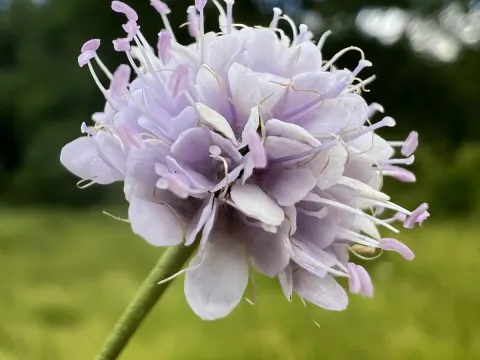
Succisella petteri is a distinct perennial herbaceous plant belonging to the Caprifoliaceae family. This species is often noted for its elegant habit and its botanical relationship to other members of the teasel-like plants, though it is currently classified under the honeysuckle family.
What the section contains
Succisella petteri
The plant is native to South-Eastern Europe, primarily found in meadows and riparian zones within the Balkan Peninsula. Its distribution is closely linked to its preference for sites with high atmospheric and soil humidity throughout the growing season.
Morphologically, Succisella petteri is characterized by erect stems and compact head-like inflorescences. The foliage is primarily basal, with narrow, lanceolate leaves that contribute to the plant's overall structural value in both garden and semi-wild environments.
Regarding climate and soil, the plant thrives in temperate conditions where moisture is consistently available. It is not tolerant of desert-like heat or extremely sandy soils that dry out rapidly; therefore, loam soils rich in organic matter are preferred for cultivation.
Agricultural techniques should focus on moisture management and soil aeration. While the plant is winter-hardy in its native range, providing a layer of mulch in colder climates can protect the crown from freezing and thawing cycles during winter months.
Generally, Succisella petteri is considered a resilient plant with few specialized natural enemies. It does not attract major agricultural pests as frequently as intensive monoculture crops do, making it suitable for sustainable land management.
Snails and slugs represent the most common threat to young seedlings and tender growth. Protecting the plants during their early development stage using physical barriers or organic pest control measures is highly recommended to ensure successful establishment.
Fungal pathogens such as Botrytis may occur in environments with poor air circulation and excessive humidity. Regular thinning of the plants helps to decrease the risk of mold formation and promotes healthier overall development of the foliage.
Root rot caused by stagnant water is a significant danger if the soil drainage is inadequate. Ensuring that the site is well-drained is the most important measure to prevent the collapse of the root system during the dormant season.
Competition from aggressive invasive weeds can pose a threat to the plant's long-term health. Regular weeding and the maintenance of a clear planting zone ensure that Succisella petteri receives enough light and nutrients to thrive throughout its life cycle.