
Sorb-leaved valerian
Valeriana sorbifolia
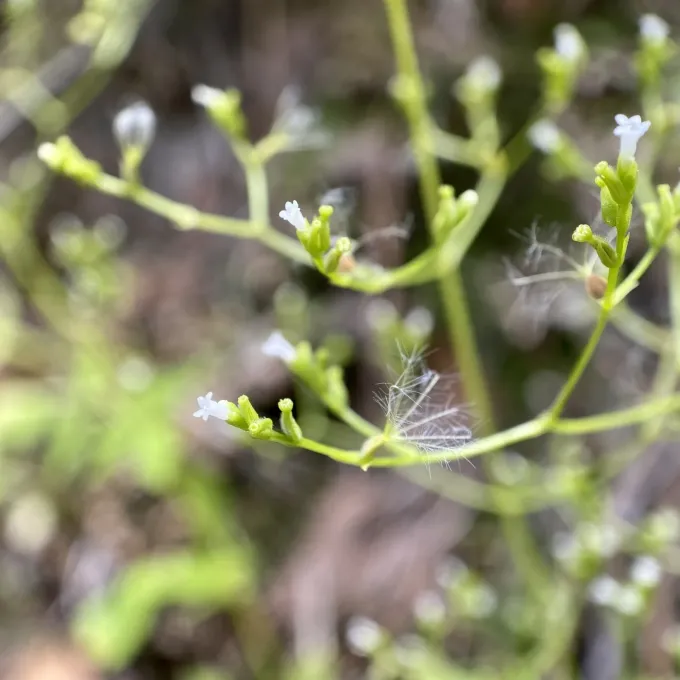
Description
Sowing dates
Sorb-leaved valerian (Valeriana sorbifolia) is a perennial herbaceous plant belonging to the Caprifoliaceae family. Seeding is typically performed in late autumn for winter sowing or in early spring once soil temperatures reach 5-8 degrees Celsius.
The seeds require stratification to break dormancy; therefore, winter sowing is the most natural and effective method for this crop. Seed depth should be kept shallow, between 0.5 to 1 centimeter, as the seeds are light-sensitive and need proper contact with the soil surface.
For spring planting, the soil must be well-prepared and leveled to ensure consistent seed-to-soil contact. Row spacing should be maintained between 45 and 60 centimeters, allowing for mechanical weeding and proper aeration of the crop canopy.
Growth is slow during the first year, as the plant focuses on establishing a rosette of basal leaves. Weeding is crucial during this establishment phase to prevent competition from invasive grasses or broadleaf weeds.
Optimal sowing density is about 10-12 plants per linear meter, which ensures a balanced stand capable of producing high-quality raw materials for pharmaceutical use.
Growing requirements
The crop thrives in moist, fertile, and loose soils with a neutral or slightly acidic pH level. It does not tolerate stagnant water or waterlogged conditions, making well-drained soil essential for successful commercial cultivation.
Sorb-leaved valerian is highly cold-hardy, allowing it to be grown in temperate climates with significant winter temperatures. During the active growing season, consistent moisture is vital, especially during the development of vegetative mass.
Organic fertilizers like compost or well-rotted manure are recommended during autumn soil preparation. Excessive nitrogen application in summer should be avoided, as it may cause lodging and reduce the concentration of active ingredients in the rhizomes.
The plant performs best under moderate sunlight but can tolerate partial shade. Protecting the crop from strong winds and soil crusting after rainfall is important for uniform emergence and development.
Drip irrigation or regular overhead watering is essential in arid summer conditions to maintain turgor pressure and support the accumulation of essential oils within the roots.
Main diseases and pests
Powdery mildew is a significant threat, particularly in humid conditions with poor air circulation. Proper plant spacing and avoiding overcrowding are essential preventative measures to manage fungal pathogen pressure.
Root rot occurs in poorly drained soils or during periods of excessive rainfall. Strict adherence to crop rotation cycles, returning to the same plot only every 4-5 years, is necessary to mitigate soil-borne disease risks.
Wireworms and aphids are the most common pests. Wireworms damage the root system, while aphids feed on young foliage and can transmit viral diseases. Monitoring and targeted integrated pest management are required for control.
Slugs may cause damage to young rosettes in cool, wet environments. Physical barriers or organic molluscicides are often used to protect the young seedlings until they become established.
- Powdery mildew
- Root rot
- Wireworms
- Aphids
- Slugs
Harvesting
The harvest of rhizomes and roots is carried out in the second year of growth after the aerial parts have begun to senesce. The optimal window for harvesting is in early autumn, when concentrations of active metabolites are at their highest.
Mechanical harvesting equipment, such as plow attachments or root lifters, is used to lift the rhizomes from the soil. Once lifted, the raw material must be thoroughly cleaned of soil and debris before processing.
Drying is performed in climate-controlled dryers at temperatures not exceeding 40-45 degrees Celsius to preserve the volatile essential oils. Excessive heat can degrade the chemical composition, rendering the harvest ineffective for medicinal use.
After drying, the material is sorted and stored in dark, dry, and well-ventilated storage rooms to prevent moisture absorption and the loss of aromatic compounds.
When managed properly, yields can reach 10-15 centners per hectare of dried roots, providing a profitable return on investment for herbal crop producers.