
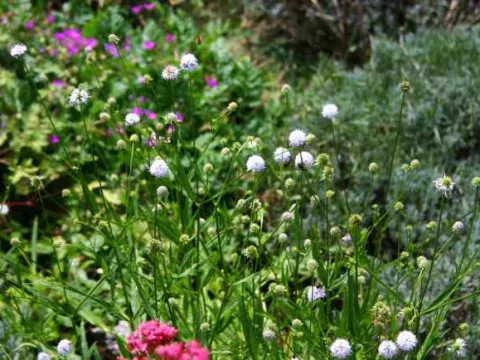
Succisella inflexa
Succisella hybrids
Succisella inflexa, known as the cup-flower, is a perennial herbaceous plant belonging to the Caprifoliaceae family. It is native to damp meadows, marshes, and riverbanks across Europe, which dictates its preference for consistently moist soil conditions and specific environmental niches.
What the section contains
Succisella inflexa
The plant thrives in sites that offer sufficient moisture throughout the growing season. In cultivation, it performs best in humus-rich, fertile, and slightly acidic to neutral soils that can retain water without becoming permanently waterlogged, as it requires aeration for healthy root development.
Cultural requirements include selecting a location with full sun to partial shade. When provided with optimal moisture levels, Succisella inflexa grows vigorously, producing elegant flower heads that serve as a source of nectar for various pollinators, particularly butterflies and bees.
Agrotechnical maintenance involves regular monitoring of soil moisture, especially during summer heatwaves. The species is relatively hardy, capable of surviving temperate winters, provided that the soil is not prone to freezing-thaw cycles that could heave the roots out of the ground.
The practical application of this plant is primarily horticultural, where it is used to add texture to naturalistic garden designs. Its long flowering duration and high attractiveness to beneficial insects make it an excellent choice for sustainable agricultural and horticultural projects focused on biodiversity.
Fungal diseases are the most significant threats to Succisella inflexa, especially in environments with poor airflow or high humidity. Powdery mildew can occur if plants are spaced too closely together, hindering the necessary circulation around the foliage and stems during warmer months.
Pests such as aphids may congregate on the succulent stems and developing buds, weakening the plant and potentially transmitting viral diseases. Integrated pest management, focusing on early detection and the use of soft-soap solutions or biological controls, is highly recommended.
Gastropods, including slugs and snails, often pose a problem during the establishment phase of the plant. Protective measures such as creating gravel barriers or using iron phosphate baits can help manage these pests effectively without negatively impacting the surrounding ecosystem.
Root rot, driven by stagnant water, is a serious threat that can kill the plant quickly. Proper site preparation, including the incorporation of organic matter and ensuring good drainage, is essential to preventing the development of anaerobic conditions that foster fungal pathogens.
Nutrient deficiencies, particularly when the soil lacks organic matter, can lead to stunted growth and pale foliage. Periodic top-dressing with well-rotted compost provides the necessary nutrients while maintaining the ideal soil structure for the longevity and health of the perennial stand.