
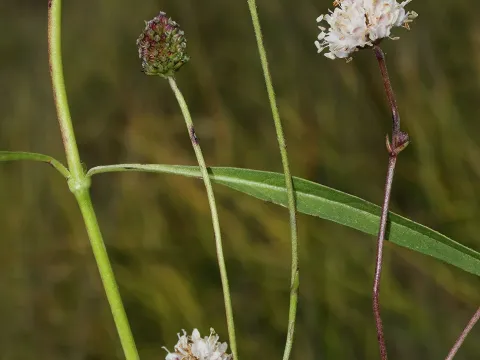
Succisella microcephala
Succisella microcephala
Succisella microcephala is a perennial herbaceous plant belonging to the Caprifoliaceae family. It is recognized for its unique botanical profile and its specific adaptation to aquatic and semi-aquatic habitats in European regions.
What the section contains
Succisella microcephala
The plant originates from marshy meadows and riverbanks, where it thrives in constant moisture. Its botanical structure includes a basal rosette of leaves and vertical stems that carry delicate, button-like flower heads during the late summer period.
Requirements for cultivation focus primarily on soil moisture levels. The substrate must be consistently moist or even saturated with water during the active growing season. Without adequate hydration, the plant quickly loses its vitality and decorative appearance.
Regarding soil fertility, it prefers humus-rich, slightly acidic to neutral soils. The application of organic matter helps maintain soil structure and improves the retention capacity, which is critical for this species.
Temperature tolerance is relatively high for temperate climates, as the plant is cold-hardy. However, it requires a full sun or partial shade exposure to ensure that the photosynthesis process remains optimal for flowering production.
Pathogenic fungi pose the most significant risk to Succisella microcephala populations. Excessive humidity combined with stagnant air often leads to outbreaks of powdery mildew and various leaf spot diseases that compromise plant health.
Gastropod pests, particularly slugs and snails, represent a persistent threat to young seedlings and tender foliage. They can cause significant damage to the plant's architecture by consuming leaves and growing points.
Insect pests such as aphids might colonize the flowering stems. By extracting sap from the floral buds, they directly interfere with seed production and weaken the plant's overall structural integrity.
Management strategies involve maintaining appropriate plant spacing to encourage airflow. This practice significantly reduces the microclimate humidity around the stems, thereby minimizing the risk of fungal proliferation.
Biological monitoring is highly recommended to detect pest outbreaks at an early stage. Utilizing natural predators or soft-chemical interventions is essential to protect the ecosystem, given the plant's natural preference for moist habitats.