
Spiny honeysuckle
Lonicera spinosa
Description
Growing requirements
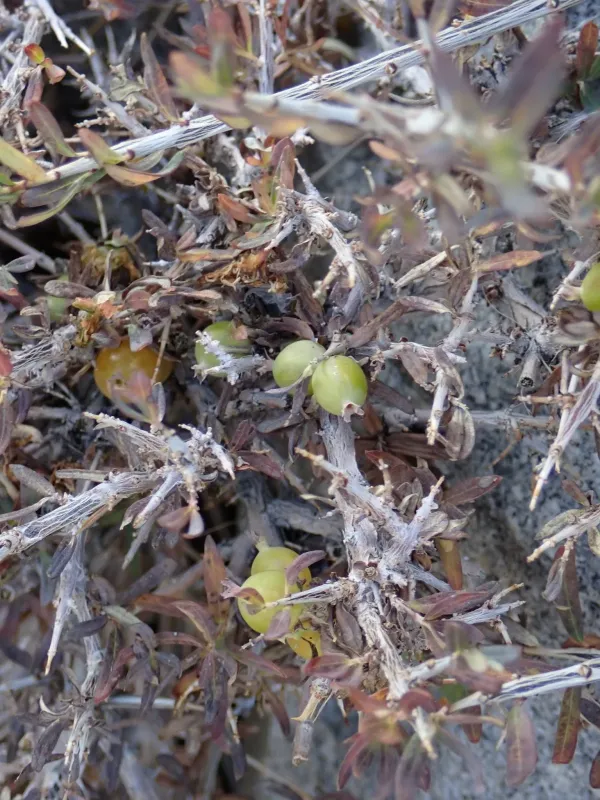
Spiny honeysuckle (Lonicera spinosa) is a member of the Caprifoliaceae family. It is a deciduous shrub characterized by its thorny branches and compact growth habit, making it an excellent candidate for ornamental hedges or rock gardens.
Native to the mountainous regions of Central Asia and the Himalayas, this species is well-adapted to high-altitude environments. Its evolutionary history has endowed it with remarkable resilience against cold and arid conditions.
When cultivating this species, it is essential to select a site with full sun exposure. Adequate light is crucial for maintaining the plant's dense structure and promoting its distinct, often fragrant flowering period during the season.
The soil requirements for Lonicera spinosa center on excellent drainage. It thrives in gravelly, sandy, or loamy soils with a neutral pH, mirroring the well-drained slopes of its natural mountainous habitat.
Cultural practices include minimal maintenance, primarily focused on formative pruning to manage the spiny branches and irrigation only during prolonged dry spells to establish young specimens in the landscape.
Main diseases and pests
Aphids are the primary insect pests affecting spiny honeysuckle. They tend to cluster on tender new shoots during the early spring, causing leaf curling and potential stunted growth if left unmanaged.
Spider mites may occasionally infest the foliage during hot, dry weather. These pests can cause chlorosis or bronzing of the leaves, significantly diminishing the aesthetic value of the shrub throughout the season.
Powdery mildew is a common fungal threat, typically appearing as a white, dusty layer on the leaves. It is most prevalent in areas with poor airflow and high humidity levels around the foliage.
Root rot, caused by overwatering and waterlogged soil conditions, represents the most serious threat to the plant's long-term survival, necessitating careful soil preparation before planting.
To maintain plant health, it is recommended to practice sanitation, such as removing fallen leaves and pruning congested branches, while applying horticultural oils or fungicides only when visible symptoms occur.