
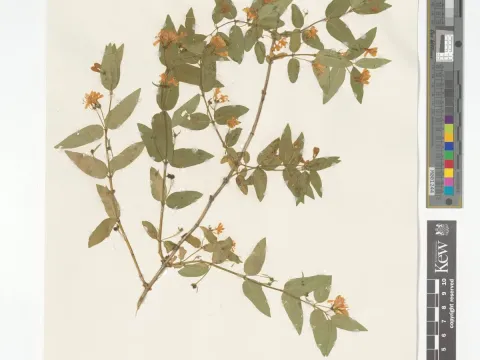
Small-flowered honeysuckle
Lonicera minutiflora
Small-flowered honeysuckle (Lonicera minutiflora) is a notable member of the Caprifoliaceae family, valued primarily for its refined aesthetic qualities. This shrub is known for its delicate flowers and compact growth habit, making it an excellent choice for ornamental gardening and decorative hedging.
What the section contains
Small-flowered honeysuckle
The species thrives in temperate climates, preferring locations with plenty of bright, indirect light. It exhibits versatility regarding soil types, performing best in well-drained, fertile loamy soils with a pH ranging from slightly acidic to neutral, which ensures optimal nutrient uptake for the plant.
Cultural requirements include consistent monitoring of soil moisture levels. While the plant can withstand short periods of dryness, it performs significantly better with regular irrigation during the peak growing season, especially in regions with hot and dry weather patterns throughout the summer.
Maintenance of this honeysuckle variety involves regular pruning to preserve its shape and encourage dense foliage development. Removing dead or diseased wood during the dormant season stimulates new growth, ensuring the plant remains healthy and visually appealing throughout the entire year.
Fertilization should be carried out in the spring using balanced organic or inorganic fertilizers. Mulching around the base of the plant helps retain soil moisture, suppresses weed growth, and provides necessary nutrients to the soil as the organic matter decomposes over time.
The primary disease affecting Lonicera minutiflora is powdery mildew, particularly in environments with high humidity and poor air circulation. Management strategies include improving ventilation through thinning the branches and applying appropriate fungicides during the early stages of infection.
Aphids are the most common pests found on this species, often clustering on young shoots and buds. These insects can cause stunted growth if not managed, so integrated pest management involving beneficial insects or soft soaps is recommended to mitigate the impact on the foliage.
Leaf-feeding beetles can occasionally cause damage to the leaves. Regular inspection of the plant is vital to detect any signs of feeding activity, which allows for timely intervention using mechanical or biological control methods to maintain the overall health of the specimen.
Environmental stress, such as waterlogging, can weaken the plant's resistance to pathogens. Proper site selection and drainage management are essential to prevent root rot, which is a major contributor to plant decline in poorly prepared growing areas or heavy clay soils.
Proactive plant care, including maintaining a clean garden environment and removing debris from under the shrub, significantly reduces the overwintering sites for many harmful pests. A robust plant, supported by proper nutritional and water management, will show higher natural defenses against these biological threats.