
Succisella carvalhoana
Succisella carvalhoana
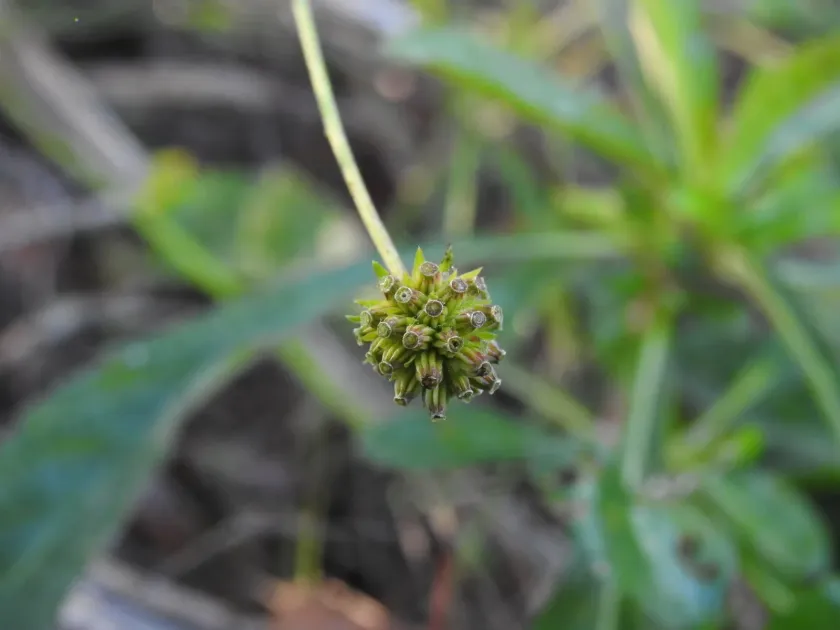
Description
Growing requirements
Succisella carvalhoana is a perennial herbaceous plant belonging to the Caprifoliaceae family. Native to restricted areas of Portugal, this species is highly valued by botanists and collectors for its unique ecological niche and specific habitat requirements.
Successful cultivation of this species requires well-drained, nutrient-rich soil that mimics its natural environment. It thrives in locations with consistent soil moisture but strictly avoids waterlogged conditions, which can lead to rapid root decay in this sensitive species.
The plant requires full sun to partial shade, depending on the intensity of the local climate. In regions with very hot summers, providing filtered sunlight during peak hours is essential to maintain plant health and prevent leaf scorch and dehydration.
Botanically, it features a distinct root system that supports a basal rosette of leaves, from which flowering stalks emerge. The flowers are typically arranged in dense, head-like inflorescences, showcasing the characteristic morphology of the genus.
Agrotechnical maintenance should focus on moderate fertilization and careful weeding. As the plant is not highly competitive with invasive weeds, ensuring a clean growing space is crucial for the healthy development of its rootstock during the initial establishment phase.
Main diseases and pests
Fungal diseases are the primary threat, specifically those affecting the roots and collar area due to excess soil humidity. Pathogens like Phytophthora can cause sudden wilting, requiring strict irrigation management to prevent the spread of these soil-borne organisms.
Pest pressure mainly comes from aphids and spider mites, especially in dry, warm conditions. Monitoring the underside of leaves for early infestation is necessary, and organic soap-based sprays are often effective for controlling small populations without harming the plant.