
Swamp fly honeysuckle
Lonicera oblongifolia
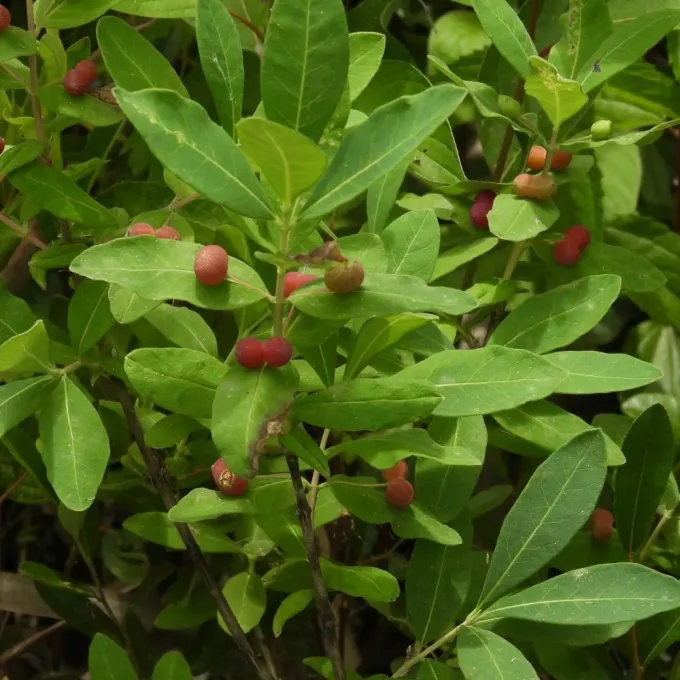
Description
Growing requirements
Swamp fly honeysuckle (Lonicera oblongifolia) is a deciduous shrub species belonging to the Caprifoliaceae family. It is native to the northern parts of North America, where it typically inhabits wetlands, swamps, and moist forest environments.
The plant is specifically adapted to wet, organic-rich soils. Unlike common landscape shrubs, this species requires high moisture levels and is sensitive to soil drought, making constant humidity a critical factor for its survival and development.
The ideal environment for this honeysuckle involves acidic or slightly acidic soil conditions. It possesses significant cold hardiness, allowing it to withstand harsh winters typical of northern temperate climate zones.
For cultivation, site selection should favor partial shade. Direct, intense sunlight can stress the shrub, particularly if humidity levels are insufficient to support transpiration during the warmer summer months.
Its primary use is botanical study and specialized landscaping in water-rich gardens. The fruits are generally not consumed by humans, as they are not the primary target for agricultural production compared to edible blue honeysuckle species.
Main diseases and pests
Common health issues for this shrub include fungal diseases that thrive in damp environments. Powdery mildew can affect the foliage if the shrub is planted in an area with poor air circulation.
Pests such as aphids and leaf rollers may occasionally infest the new growth. Early detection through regular monitoring is the most effective way to manage these populations without heavy chemical use.
Root rot represents a significant risk if the soil becomes stagnant. Proper site assessment and ensuring that the soil structure allows for some oxygen exchange are essential for long-term health.
Leaf spots caused by various pathogens may appear on older foliage towards the end of the season. Maintaining clean debris around the base of the plant helps to reduce the inoculum load.
Preventative care is the best strategy. By providing an environment that mimics its natural wetland habitat, the plant remains naturally resilient against most local pests and diseases.