
Swamp valerian
Valeriana uliginosa
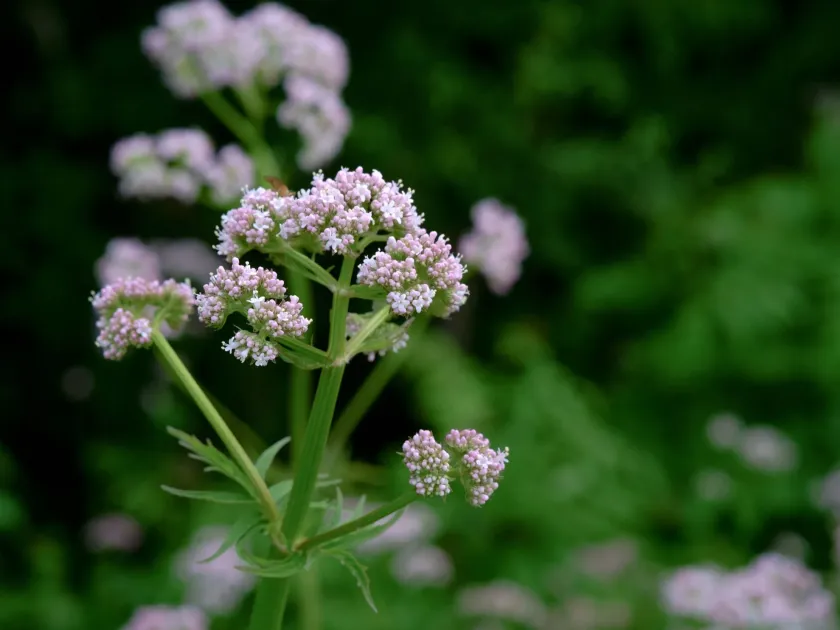
Description
Sowing dates
Swamp valerian (Valeriana uliginosa) belongs to the Caprifoliaceae family. Seeds are typically sown in autumn before winter, which provides natural stratification required for high germination rates.
Spring sowing is possible but requires cold pre-treatment of the seeds for about one month. The seeds should be covered with 0.5–1 cm of soil due to their very small size.
When sowing in rows, a spacing of 45–60 cm is maintained to ensure the normal development of leaf rosettes.
Seedlings appear within two to three weeks after sowing, provided that the top layer of the soil remains sufficiently moist.
It is recommended to use high-quality, impurity-free seeds to ensure uniform germination and reduce the cost of thinning the crops.
Growing requirements
This crop is hygrophilous and has specific requirements for soil moisture. Its natural habitat is wetlands and riverbanks, so fields should have high water tables or regular irrigation.
The best results are achieved in fertile peat soils or well-cultivated loamy soils with a neutral or slightly acidic pH.
Swamp valerian prefers open, well-lit areas, although it can tolerate partial shading without significant loss of biomass.
The plant is sufficiently frost-hardy, allowing it to be cultivated successfully in regions with cold winters and reliable snow cover.
Application of organic fertilizers before planting significantly increases root yield, as the plant actively consumes nutrients for underground growth.
Yield
The crop is cultivated for its medicinal raw material — roots and rhizomes, which are known for their sedative properties.
Yield depends heavily on the age of the plants, with peak content of active biological compounds observed in the second year of vegetation.
The average yield of dry roots can range from 10 to 15 centners per hectare when all agrotechnical standards are met.
Quality control during the drying process is essential; overheating must be avoided to prevent the degradation of valuable essential oils.
The overall quality of the harvest is determined by the concentration of valeric acids, which is directly influenced by the moisture regime of the plantation.
Main diseases and pests
The main threats to the plantation are fungal diseases, such as powdery mildew and various root rots, which often occur due to waterlogging.
Common pests include aphids and spider mites, which damage leaves and reduce the plant's photosynthetic activity.
- Implementation of crop rotation to prevent the accumulation of pathogens in the soil.
- Regular monitoring of the plantation for any signs of infection.
- Timely removal of weeds that act as reservoirs for diseases and pests.
- Use of fungicides and insecticides in strict accordance with the regulations for medicinal crops.
- Ensuring proper air circulation through appropriate planting density.
Harvesting
Harvesting is typically conducted in the autumn of the second year when the aerial parts of the plant begin to yellow and die back.
Rhizomes are excavated mechanically, then cleared of soil debris and washed thoroughly in running water.
After washing, the raw material undergoes primary processing to remove stems and thin rootlets before drying.
Drying is performed at temperatures not exceeding 40 degrees Celsius to preserve essential oils and volatile components.
Finished raw material should be packed and stored in dry, well-ventilated areas to prevent moisture absorption and quality loss.