
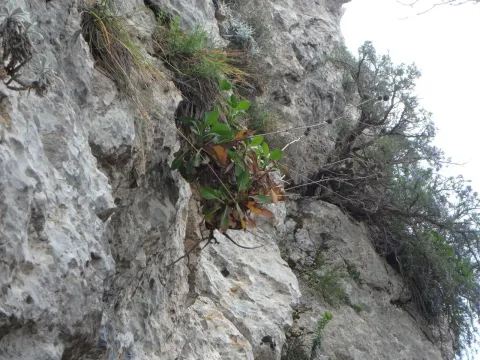
Cephalaria squamiflora
Cephalaria squamiflora
Cephalaria squamiflora is a perennial herbaceous plant, best propagated by seeds sown directly into the soil in early spring after the risk of frost has passed.
What the section contains
Cephalaria squamiflora
Alternatively, fall sowing is practiced in regions with cold winters, allowing the seeds to undergo natural stratification, which enhances spring germination rates.
If starting indoors, seeds should be sown in trays in March, maintaining a stable temperature to promote healthy root development before transplanting.
It is critical to maintain a spacing of at least 40 to 50 centimeters between plants to ensure that the mature rosettes have sufficient air circulation.
Seeds should be covered with a light layer of soil, no deeper than 2 centimeters, to ensure they receive enough warmth and moisture for optimal sprouting.
Belonging to the Caprifoliaceae family, this species thrives in locations with full sun exposure, as shaded areas lead to weak, elongated stems.
The plant performs best in well-draining, moderately fertile loam soils, as it is highly sensitive to waterlogged conditions that can damage its root system.
Once established, Cephalaria squamiflora is notably drought-tolerant, requiring minimal irrigation even during hot, dry summer months.
The soil pH should ideally be neutral or slightly alkaline, though the plant is generally adaptable to a wide range of soil types if drainage is adequate.
Winter hardiness is a strong feature of this plant, allowing it to survive frost without the need for additional protective covers in temperate climates.
Powdery mildew is the most common disease for this plant, typically occurring when plants are overcrowded or when humidity remains high for extended periods.
Aphids can pose a nuisance during the peak growing season, clustering on young shoots and buds, which may require manual removal or biological intervention.
Root rot is rarely an issue unless the soil is heavy or poorly drained, reinforcing the importance of selecting a location with excellent soil texture.
Maintaining a clean garden bed by removing weeds ensures that the plants receive maximum sunlight and nutrients while reducing the prevalence of pests.
- Regular inspection of leaves for signs of infestation.
- Improving spacing to increase airflow.
- Applying natural neem oil if pest populations become problematic.
Seed harvesting should occur in late summer when the flower heads have dried out and turned a deep brown, indicating seed maturity.
After cutting the flower stalks, they should be dried in a sheltered area before the seeds are threshed and cleaned to remove any debris or chaff.
In ornamental garden management, cutting back the spent flowering stems encourages the plant to direct its energy into the basal foliage for the next year.
Beekeepers often value this plant for its role as a late-season nectar source, and harvest planning should take into account the pollination cycles.
Seeds should be stored in a cool, dry place inside paper envelopes to maintain high viability, allowing for storage for up to three years.