
Cephalaria ambrosioides
Cephalaria ambrosioides
Description
Growing requirements
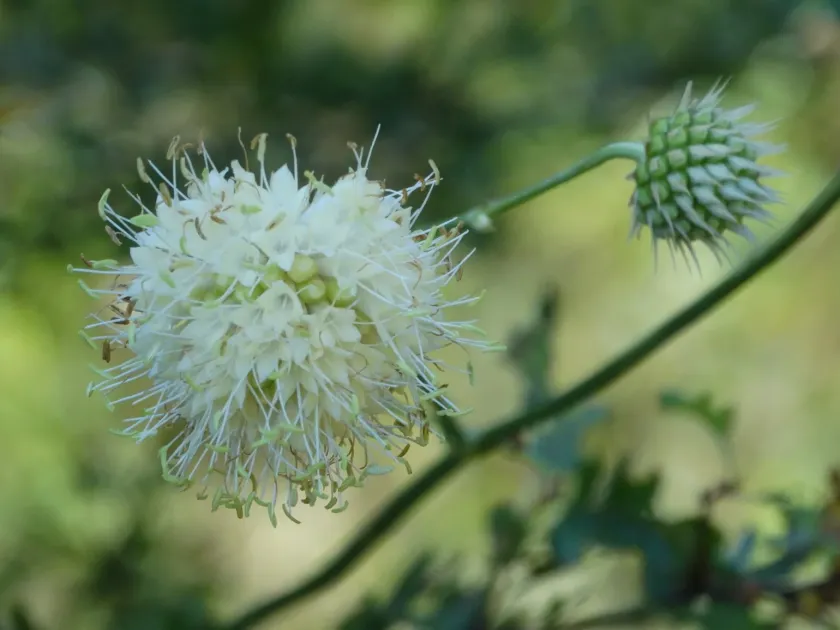
Cephalaria ambrosioides is a perennial herbaceous plant belonging to the Caprifoliaceae family. It is known for its distinct botanical structure, which includes deeply dissected leaves and characteristic flower heads that make it ecologically valuable in specific temperate regions.
The plant thrives in well-drained, fertile soils with a neutral pH level. It requires full sun exposure to reach its maximum vegetative potential and to produce healthy seeds, as shade significantly inhibits its development and leads to leggy stems.
Regarding climate, this species prefers areas with moderate precipitation and well-defined seasons. Its root system is deep and robust, allowing it to withstand seasonal dry spells, which is a key advantage for farmers looking for drought-tolerant green cover.
Agronomic management includes soil preparation consisting of deep plowing followed by seedbed fine-tuning. Weed control is essential during the establishment phase, as the plant faces competition from fast-growing weeds during the first months of its life cycle.
The main agricultural use for Cephalaria ambrosioides lies in its role as a forage crop and a plant for soil stabilization. Its ability to thrive in poor soil conditions makes it a candidate for reclaiming degraded pastures.
Main diseases and pests
The primary diseases affecting this crop include powdery mildew and rust, both of which typically occur when air circulation is poor or humidity levels remain high for extended periods during the growing season.
Insect pests such as aphids and various beetles can pose a threat to the foliage. Monitoring programs are necessary to ensure that damage remains below the economic injury level for the standing crop.
Root rot represents a significant threat when soil drainage is insufficient, especially in heavy clay soils that retain excess moisture during the dormant season. Improving field drainage is the best prophylactic measure.
Using certified, healthy seeds and maintaining appropriate spatial separation between fields can drastically reduce the incidence of soil-borne pathogens and viral infections common to the Caprifoliaceae family.
Integrated pest management strategies focusing on promoting beneficial insects are encouraged to keep aphid populations in check without relying solely on intensive chemical applications.