
Cephalaria transsylvanica
Cephalaria transsylvanica
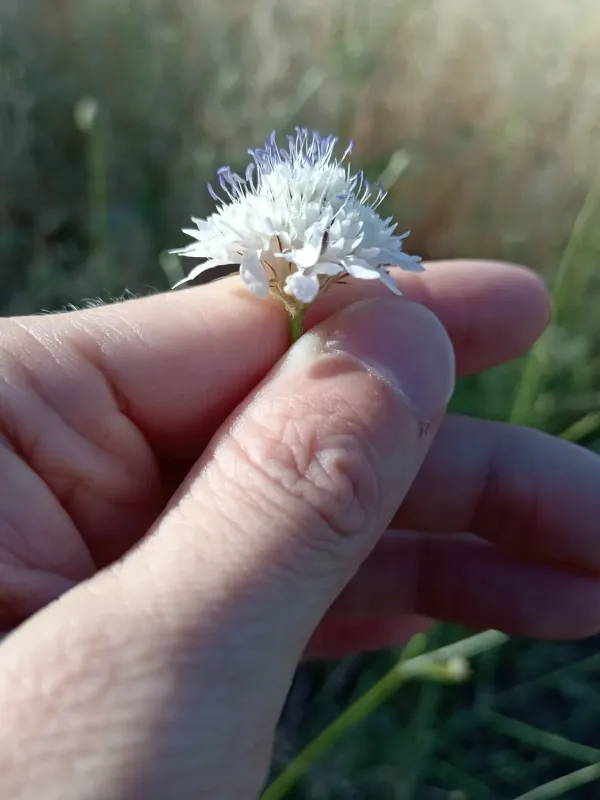
Description
Sowing dates
Cephalaria transsylvanica is typically sown in the spring once the soil temperature consistently reaches 8–10 degrees Celsius to ensure uniform germination.
Seeds should be placed at a depth of 1–2 centimeters, with row spacing adjusted depending on whether the primary goal is biomass production or seed harvesting.
The plant exhibits high seed vigor, which allows for rapid seedling establishment, making it a reliable crop under moderate climatic conditions in its native range.
Spring sowing is highly recommended to allow the plant to establish a robust root system before the onset of the peak summer heat and potential moisture stress.
In large-scale cultivation, modern precision seeding equipment can be used to ensure an optimal plant density, maximizing the efficiency of land use for honey production.
Growing requirements
As a member of the Caprifoliaceae family, this species is well-adapted to various environmental conditions, particularly favoring sunny and open landscapes.
The plant prefers well-drained, fertile soils with a neutral or slightly alkaline pH, which facilitates the optimal development of its deep taproot system.
Cephalaria transsylvanica is notably drought-tolerant once established, enabling it to thrive in regions with low annual rainfall without the need for supplemental irrigation.
Optimal growth and consistent flowering are achieved at temperatures ranging from 20 to 25 degrees Celsius, though it can withstand cooler temperatures in the early stages.
Adequate sunlight is crucial, as shading leads to weakened stems and significantly lower nectar production, which is a key agronomic goal for this specific crop.
Yield
The primary agricultural utility of Cephalaria transsylvanica is its role as a high-quality, late-season honey plant, providing abundant resources for pollinating insects.
The biological productivity of the plant is substantial, resulting in a continuous nectar flow that lasts from mid-summer well into the autumn months.
Seed production yields are generally stable, making the plant a viable option for those interested in sustainable seed propagation for both agriculture and restoration projects.
The plant's vegetative mass contributes positively to soil structure, as the deep roots help break up compacted layers and improve soil aeration and infiltration rates.
Harvesting for seed typically occurs once the heads begin to dry and change color, requiring careful management to prevent shattering of the mature seeds in the field.
Main diseases and pests
Fungal leaf spots can occur under conditions of high humidity or excessive stand density, emphasizing the importance of good air circulation within the crop.
Aphid infestations are the most common pest pressure, capable of stunting plant growth and reducing the quality of the floral resources provided to bees.
Maintaining proper spacing and weed control is essential for preventing the spread of diseases and reducing the risk of viral infections within the plant population.
Chemical intervention should be approached with caution, prioritizing integrated pest management strategies to protect the valuable populations of pollinators that visit the flowers.
Crop rotation protocols should be followed to minimize the buildup of soil-borne pathogens, ensuring the long-term health and productivity of the field area.