
Cephalaria coriacea
Cephalaria coriacea
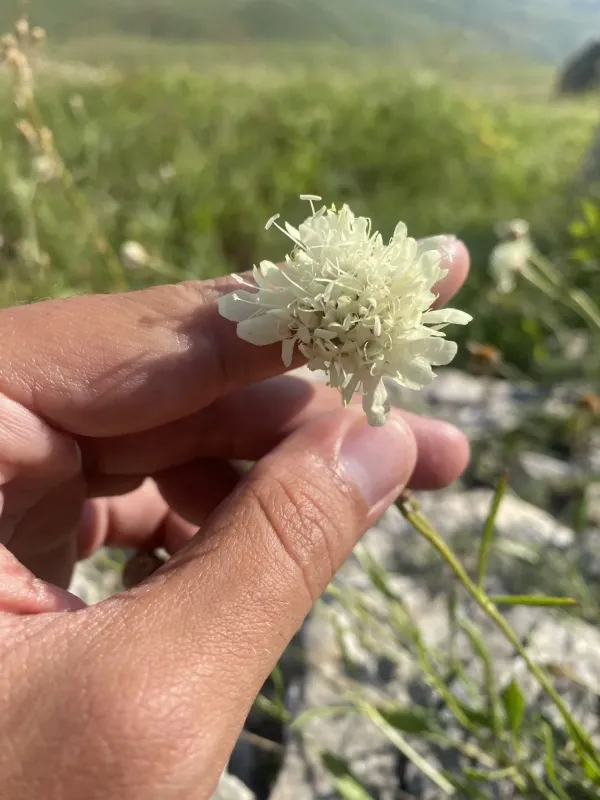
Description
Sowing dates
Cephalaria coriacea, belonging to the Caprifoliaceae family, is a robust perennial herb gaining attention in agricultural systems. It is primarily valued for its significant biomass production and longevity in field conditions.
The optimal sowing time is early spring, when the soil has warmed sufficiently. This timing allows the plant to establish its deep root system before the onset of summer drought periods.
Seeds should be sown at a depth of 2 to 3 cm. Proper seedbed preparation, including firming the soil after sowing, is essential to ensure uniform germination and to prevent the seeds from drying out.
Seeding rates typically range from 12 to 15 kg per hectare, depending on the desired plant density. Proper spacing is crucial to reduce competition during the initial year of establishment.
During the first year, the crop focuses on root development, leading to relatively slow above-ground growth. Weed control during this early phase is vital for successful establishment.
Growing requirements
This species thrives in open, sunny locations. Shaded areas significantly reduce the plant's vigour, leading to lower biomass yields and increased susceptibility to fungal diseases.
The crop prefers deep, fertile loamy soils with good drainage. It is sensitive to waterlogged conditions, which can lead to root decay and decreased stand longevity over several seasons.
The ideal soil pH for Cephalaria coriacea is neutral to slightly alkaline. In acidic soil conditions, applying lime is recommended to improve nutrient uptake and overall plant health.
High drought tolerance is a hallmark of this species, thanks to its deep taproot system. It is well-suited for regions with irregular rainfall patterns where other forage crops might fail.
Balanced fertilization, particularly with phosphorus and potassium, is recommended to enhance plant resilience and encourage vigorous spring regrowth.
Yield
The primary use of Cephalaria coriacea is as a high-quality forage crop. It provides a reliable source of green mass and hay, particularly when harvested at the right phenological stage.
Yield capacity remains stable over several years with appropriate field management. Proper nutrient replenishment after each harvest is essential for maintaining consistent production levels.
The nutritional profile makes it a beneficial addition to livestock diets. When harvested at the early budding stage, it provides a good balance of digestible protein and fibre.
Besides its fodder value, the plant serves as a useful nectar source for pollinators, supporting local biodiversity and improving the overall ecosystem health of the farmland.
As a perennial crop, it also contributes to soil stabilization, helping to minimize erosion on sloped fields through its extensive and binding root network.
Main diseases and pests
Fungal infections, such as powdery mildew, are the most common threats to the crop. These are exacerbated by high humidity levels and poor airflow within the stand.
Pests like aphids can occasionally infest the plants, particularly during warm, dry weather. Regular monitoring allows farmers to intervene if damage thresholds are exceeded.
Implementing a diverse crop rotation is a key preventative measure to disrupt the life cycles of specific pathogens and pests that may target this plant species.
Cultural practices, such as choosing appropriate plant spacing and maintaining field sanitation, can significantly reduce the need for chemical plant protection products.
In cases of severe infestation, targeted and environmentally conscious control methods should be employed to protect the crop without harming beneficial insects.
Harvesting
The timing of harvest is critical for forage quality. The ideal window is at the start of the flowering phase, when the plant's nutritional concentration is at its peak.
Harvesting should be performed in dry weather conditions to facilitate rapid drying. Efficient drying processes prevent mold growth and ensure the preservation of vitamins and minerals.
Using modern mowing and conditioning equipment helps in achieving an even drying rate, which is necessary for high-quality hay production that stays stable during storage.
A second cut can often be harvested in late summer. However, it is important to allow the plant sufficient time for regrowth before the first winter frosts occur.
Proper storage in well-ventilated barns or dry areas is essential to maintain the quality of the harvested hay and to prevent moisture-related spoilage during the winter months.