
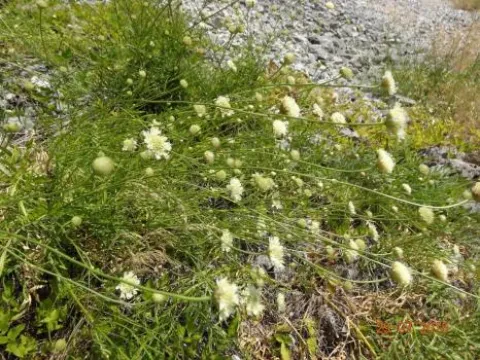
Cephalaria laevigata
Cephalaria laevigata
Cephalaria laevigata, a perennial herb from the Caprifoliaceae family, is a distinct plant species known for its resilience and unique morphological structure. Native to mountainous regions, it has adapted to thrive in varied topographic conditions.
What the section contains
Cephalaria laevigata
The plant requires well-drained, fertile soil to ensure healthy root development. It is highly susceptible to root rot, making soil drainage the most critical factor for successful cultivation. Sandy or loamy soils with high organic matter content are ideal.
As a sun-loving species, Cephalaria laevigata performs best in open locations with full sun exposure. While it can tolerate partial shade, such conditions often result in weak, spindly stems and reduced nectar production, impacting its agricultural value.
Climate adaptation is a key feature of this species. It exhibits robust winter hardiness, allowing it to withstand cold climates, provided the soil moisture levels are managed properly during the dormant season to prevent freezing damage to the roots.
Beyond its aesthetic appeal in landscape design, the crop serves as an excellent nectar source. Its role in supporting local pollinator populations makes it a beneficial addition to integrated farming systems that prioritize biodiversity and ecosystem health.
Fungal pathogens represent the primary threat to the health of Cephalaria laevigata. High humidity and poor air circulation are the main precursors for the development of root rots and leaf spots which can devastate a plot.
Powdery mildew is a common seasonal concern, typically appearing during periods of fluctuating temperatures and high humidity. Proper plant spacing and avoiding overhead irrigation help to minimize the incidence of this fungal issue.
Pests such as aphids and spider mites may infest the plant during hot, dry spells. These insects feed on sap, causing stunted growth and leaf curling, which reduces both the ornamental quality and the photosynthetic efficiency of the plant.
Gastropods, including slugs and snails, are particularly problematic for young seedlings. They can cause significant foliage loss in spring, necessitating the use of perimeter barriers or organic traps to protect the initial growth stages.
Integrated pest management strategies are essential for maintaining a healthy crop. By combining regular field monitoring with sanitation practices—such as removing dead debris—growers can significantly reduce the need for chemical interventions.