
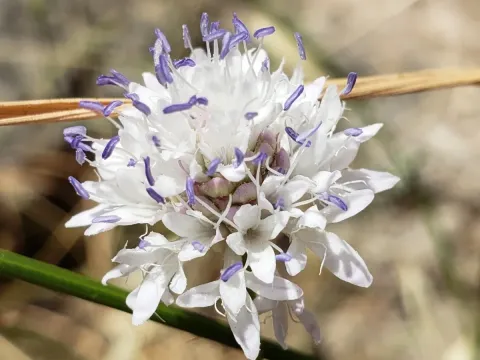
Cephalaria joppica
Cephalaria joppica
Cephalaria joppica is a herbaceous perennial plant belonging to the Caprifoliaceae family. It is known for its distinct botanical structure and ecological adaptability.
What the section contains
Cephalaria joppica
The seeds are typically sown in well-prepared, loose soil. The optimal sowing depth is shallow, usually ranging from 1 to 2 centimeters to ensure proper germination.
Timing is crucial; in regions with a Mediterranean climate, sowing often occurs in autumn or early spring to take advantage of natural rainfall patterns.
Spacing between plants should be managed to ensure adequate ventilation. Standard row spacing should be approximately 40–50 cm to prevent overcrowding as the plants mature.
Seedlings develop steadily and require consistent monitoring during the first few weeks to ensure they are not outcompeted by aggressive weeds.
The species thrives in full sun, requiring exposure to direct sunlight for the majority of the day to maintain its structural integrity and blooming capacity.
Soil requirements are relatively moderate; the plant performs best in fertile, well-drained loamy soils with a neutral to slightly alkaline pH level.
Cephalaria joppica demonstrates significant drought tolerance, a trait evolved to survive the long, dry summers characteristic of its native habitat.
Climate needs include warm temperatures for active growth, although the plant is sufficiently hardy to withstand mild winter conditions.
Proper drainage is the most critical factor, as stagnant water in the root zone is the primary cause of plant failure and poor physiological performance.
Fungal pathogens such as powdery mildew can be problematic during periods of high humidity or poor air circulation within the plant canopy.
Pests, particularly aphids, may infest the succulent flower buds during the peak growing season, potentially stunting growth and reducing aesthetic value.
Root rot caused by overwatering or soil compaction is a major threat, necessitating the use of raised beds or sandy soil amendments in areas with heavy clay content.
Managing weed pressure through mechanical cultivation or mulching is essential to reduce the spread of soil-borne pathogens and competition for nutrients.
- Regular inspection for aphid clusters on stems.
- Ensuring adequate spacing to facilitate dry conditions around the foliage.
- Removal of diseased plant parts to prevent pathogen transmission.