


Reference · Crops
Corn salad
Valerianella Mill.
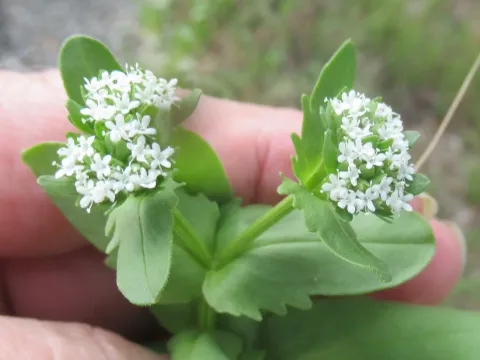
Corn salad, botanically known as Valerianella, is a hardy annual crop valued for its nutritional density and delicate flavor. It is typically sown in early spring as soon as the soil can be worked, ensuring production before the onset of summer heat.
2
items
What the section contains
Marketplace
Products in this section · 9




Corn salad
For an autumn and winter harvest, seeds are sown in late summer or early autumn. As a frost-tolerant plant, it thrives in cooler temperatures and can even survive under light cover or snow, providing early greens when other crops are dormant.
Seeds should be sown at a depth of 0.5 to 1 centimeter, as they require sufficient moisture and good soil contact to germinate uniformly. Rows are usually spaced 15 to 20 centimeters apart to facilitate weeding and air circulation.
Succession planting every 2 to 3 weeks is recommended to maintain a steady supply of fresh leaves. This practice ensures that farmers can meet consistent market demand throughout the cool-season growing window.
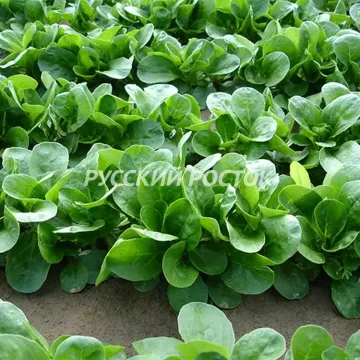
Belonging to the Caprifoliaceae family, the plant develops a low, compact rosette of spoon-shaped leaves. Its biological efficiency allows for high-density planting compared to many other leafy greens.
The crop prefers fertile, well-draining soils with a slightly acidic to neutral pH. Heavy, waterlogged soils should be avoided as they often lead to root rot and stunted growth in the delicate seedlings.
Consistent moisture is crucial for the development of quality leaves. While the plant can tolerate light shade, excessive heat and direct sunlight can induce premature bolting, rendering the crop bitter and unsuitable for sale.
The optimal temperature range for corn salad is between 15 and 20 degrees Celsius. Temperatures exceeding 25 degrees often cause the plant to transition from the vegetative stage to flowering, drastically reducing harvest yields.
Proper field preparation involves incorporating organic matter before sowing. However, one should be cautious with nitrogen application, as high residual nitrogen can lead to excessive nitrate accumulation in the foliage.
Adequate ventilation within the planting area is essential to prevent fungal outbreaks, particularly in high-humidity climates. Keeping the area free of weeds is equally important to minimize competition for nutrients and water.
Average yields for corn salad typically range from 0.5 to 1.5 kilograms per square meter. With efficient management and proper climate control, intensive cultivation methods can significantly increase these figures.
The compact growth habit of the plant allows for dense spacing, which optimizes space utilization. This makes it an attractive option for producers looking to maximize the output of high-value micro-greens or salad crops.
The maturity period is generally between 45 and 60 days, depending on environmental factors and variety. Tracking daily temperature units can help producers predict the harvest date with greater accuracy.
Successful yield outcomes are highly dependent on the initial establishment of the crop. Because seedlings are slow to start, early-stage weed management is a critical factor in ensuring that the crop reaches its full potential.
Mechanization in modern commercial farms has improved harvesting efficiency. Precision seeders and specialized cutting tools are used to ensure the uniformity and cleanliness of the harvested rosettes.
Powdery mildew represents a major threat, particularly when weather conditions include high humidity followed by periods of warmth. This disease can rapidly compromise the aesthetic quality and marketability of the leaves.
Downy mildew and various root rots are also problematic in poorly ventilated or excessively damp environments. Implementing a rigorous crop rotation schedule is the most effective way to break the disease cycle in the soil.
Slugs and snails can cause severe damage during moist periods by grazing on the succulent leaves. Integrated pest management, including physical barriers and habitat management, is preferred over chemical interventions.
Aphids can infest plants, especially in warmer conditions. Monitoring the underside of the leaves is essential for early detection, allowing for spot treatments with biological controls if necessary.
Managing virus vectors, such as certain insects, is important for protecting overall crop health. Keeping field margins clean of weeds can reduce the pressure from these transient pests.
Harvesting is performed by cutting the entire rosette at the root base. It is vital to maintain cleanliness, as the delicate nature of the leaves makes washing difficult without damaging the product structure.
The ideal time for harvesting is in the early morning, when the plants have reached maximum turgor. This timing significantly improves the shelf life and crispness of the leaves for the end consumer.
Post-harvest handling requires rapid cooling to between 1 and 2 degrees Celsius. Maintaining a consistent cold chain is essential to prevent degradation and ensure that the product reaches the market in peak condition.
On-site sorting is necessary to remove any damaged or diseased rosettes. This ensures that only high-quality material is packaged, preventing the spread of decay during the transport and storage phases.
When stored in perforated packaging at the correct temperature, corn salad can maintain its freshness for several days. Proper humidity levels should be managed to prevent wilting or condensation-induced rot.