
Climbing Valerian
Valeriana scandens
Description
Growing requirements
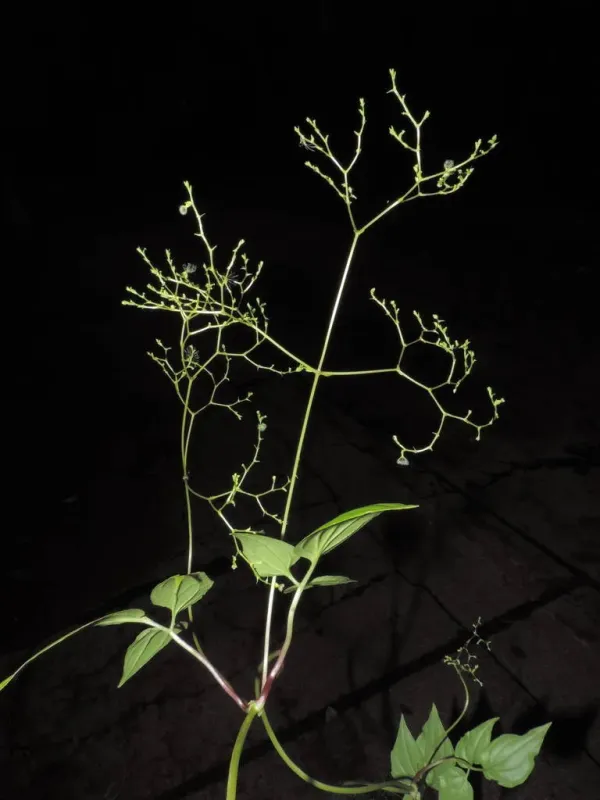
Climbing Valerian (Valeriana scandens) is a perennial plant species belonging to the Caprifoliaceae family. It is distinct for its habit of using other plants for structural support in its native environment.
The native range of the species extends across tropical and subtropical regions of the Americas. It thrives in humid conditions, typically found in forest edges and clearings where canopy cover provides filtered light.
Successful commercial cultivation requires stable temperatures and protection from cold snaps. As a tropical plant, it is best suited for environments that mimic its natural warm and humid habitat.
Soil requirements include high organic content, moisture retention, and excellent drainage. A loose, well-aerated soil structure is essential for the healthy development of its specialized root system.
Agronomic management involves regular weeding and the application of balanced organic fertilizers to promote robust vegetative growth. Providing trellis systems can facilitate better air circulation and light exposure for the vines.
Main diseases and pests
Common agricultural threats include root rot infections, which often occur in waterlogged soil. Proper moisture management is the primary preventative measure for this condition.
Pest issues frequently involve aphids and spider mites, which can thrive in greenhouse environments. Early detection through regular crop scouting is essential for effective control.
Powdery mildew may develop if humidity levels are too high and airflow is insufficient. Strategic spacing and pruning of the climbing vines can help maintain plant health.
Integrated pest management strategies should prioritize biological controls to protect the integrity of the plant material used for medicinal applications.
Field sanitation protocols, such as removing infected foliage and sterilizing equipment, are vital for preventing the transmission of soil-borne pathogens.