
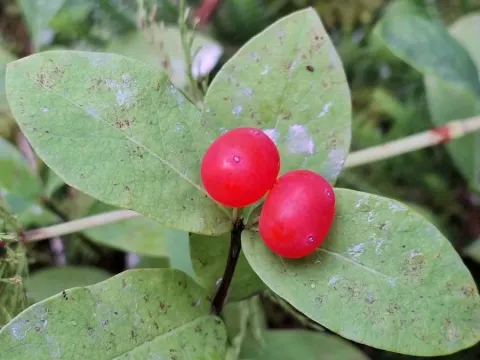
Chamisso honeysuckle
Lonicera chamissoi
Chamisso honeysuckle (Lonicera chamissoi) is a deciduous shrub species belonging to the Caprifoliaceae family, native to the Far Eastern regions, including Japan and the Kuril Islands.
What the section contains
Chamisso honeysuckle
This species is biologically adapted to moist habitats, thriving in riparian zones and marshy environments, which makes consistent soil moisture a top priority for gardeners.
It exhibits remarkable cold hardiness, allowing it to survive harsh winters, which makes it a resilient candidate for northern landscape projects and restoration of moist sites.
For optimal growth, it requires nutrient-rich, loamy soils that can retain moisture while maintaining sufficient drainage to prevent root rot during excessive rainfall periods.
While it is relatively shade-tolerant, planting it in a location that receives full sun or partial shade will ensure the most vigorous foliage development and better overall health.
The primary threats to Lonicera chamissoi include fungal diseases such as powdery mildew, which often develop when air circulation is poor or humidity is excessively high.
Pests like aphids are common opportunistic insects that feed on the tender young growth of the plant, potentially causing stunting if left unmanaged for extended periods.
Proper plant spacing is the most effective preventative measure, as it allows leaves to dry quickly after rain and reduces the localized humidity that invites fungal infections.
Monitoring the plant for signs of stress, such as yellowing leaves or wilting, is essential, as these symptoms can indicate either nutrient deficiency or pest infestation.
Integrated pest management, including the use of horticultural oils or organic soap sprays, is recommended to control insect populations without harming the surrounding ecosystem.