
Cephalaria stellipilis
Cephalaria stellipilis
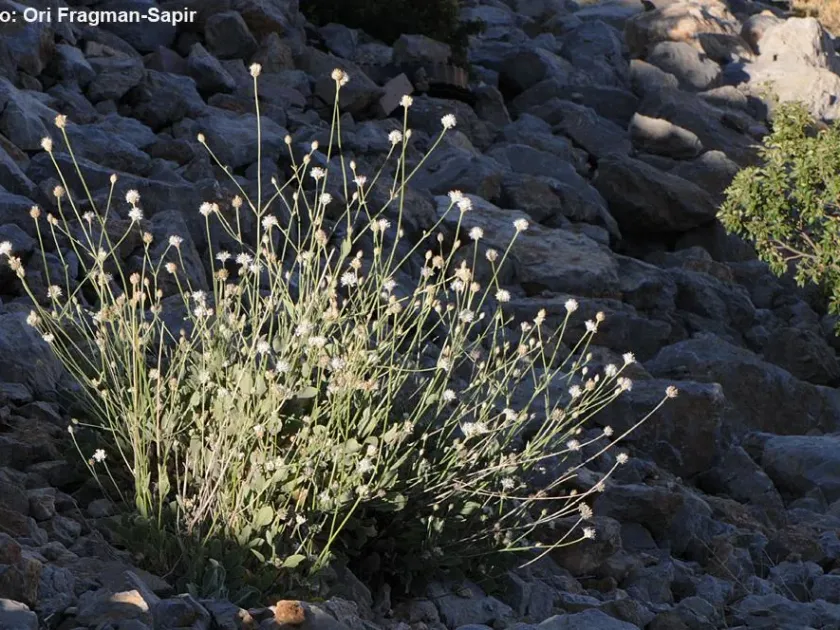
Description
Sowing dates
Cephalaria stellipilis is typically propagated by seeds, which should be sown directly into the soil during late autumn to benefit from natural seasonal cooling.
Seeds require a period of cold stratification to break dormancy; natural wintering in the field is often more effective than artificial refrigeration methods.
If spring sowing is necessary, keep the seeds in a cold environment for at least six to eight weeks before planting them into well-prepared garden beds.
Space the rows at least 40–50 centimeters apart to allow for proper airflow and to facilitate mechanical weeding throughout the growing season.
Once the seedlings have reached a sufficient size, they can be thinned out to ensure that each plant has enough space to develop its characteristic rosette and stem structure.
Growing requirements
As a member of the Caprifoliaceae family, Cephalaria stellipilis is well-adapted to environments that feature periodic dryness and long daylight hours.
The plant thrives in full sun exposure, which is critical for maintaining sturdy stems and achieving the vibrant, characteristic bloom color typical of the species.
Well-drained soils are essential; the species does not tolerate waterlogging, which can cause crown rot and permanently damage the root system.
Soil chemistry should ideally lean towards neutral or slightly alkaline, as the plant benefits from available minerals found in calcified or limestone-based substrates.
Minimal fertilization is required, as the plant is adapted to nutrient-poor wild habitats and can easily become overly lush and fragile if fed with excess nitrogen.
Main diseases and pests
The primary biological threats include fungal infections such as powdery mildew, which thrive in stagnant, humid environments without adequate air circulation.
Insects like aphids or spider mites may occasionally colonize the foliage during prolonged dry spells, leading to stunted development of the flowering stalks.
- Monitor for discoloration of the leaves as an early warning sign of pest infestation.
- Avoid overhead irrigation to minimize the risk of foliar diseases during the warmer months.
Proper hygiene, such as the removal of dead plant debris at the end of the season, significantly reduces the overwintering capacity of common garden pests.
Integrated pest management, utilizing biological controls or targeted sprays, is recommended if population thresholds are exceeded during the peak flowering stage.