
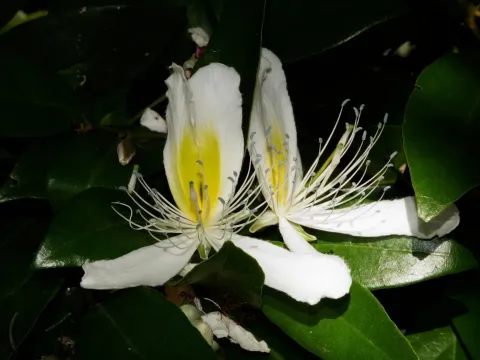
Capparis brevispina
Capparis brevispina
Capparis brevispina is a member of the Capparaceae family, known for its resilience and ability to thrive in arid environmental conditions across its native range.
What the section contains
Capparis brevispina
Propagation is primarily achieved through seeds, which require specific pre-sowing treatments such as scarification to break dormancy and ensure uniform germination rates.
The optimal time for sowing is during the early spring season, allowing the soil temperature to reach levels conducive to the initial development of the root system.
In greenhouse settings, seeds are planted in trays with light, well-draining substrate, ensuring they are kept in a bright location to prevent etiolation of the young seedlings.
Once the seedlings have developed sufficiently, they are transplanted to their permanent locations, maintaining adequate spacing to support the natural sprawling growth habit of the plant.
This crop is a xerophyte, meaning it is naturally adapted to survive with minimal water, making it suitable for regions prone to prolonged dry spells.
It prefers alkaline, rocky, or sandy soils that offer excellent drainage, as the roots are highly susceptible to rot if subjected to waterlogged conditions.
Full sun exposure is a critical requirement for optimal photosynthesis and the consistent production of flower buds, which are the main commercial output of the crop.
Temperature regulation is vital, as the plant thrives in warm climates and requires protection from extreme frost which can cause severe tissue damage during winter months.
Regular weeding is essential in the early stages of growth to prevent competition for nutrients and water, although established plants can outcompete most common weeds.
The agricultural value of Capparis brevispina is centered on the immature flower buds, which are harvested before the flowering process begins in full.
Yield capacity matures over time, with the plant reaching its peak production potential from the third year onwards, continuing to bear fruit for several decades.
Consistent pruning and managed fertilization can enhance the density of flower buds, leading to higher productivity per plant throughout the growing season.
Proper nutrient management involves providing balanced minerals, avoiding excessive nitrogen which may prioritize vegetative growth over reproductive bud development.
High-quality yields depend on the regularity of harvesting, as the timely removal of buds stimulates the plant to produce new growth continuously.
Fungal pathogens represent the primary threat to plantation health, especially when atmospheric humidity remains high or irrigation is poorly managed.
Pests such as mites and certain leaf-feeding insects can reduce the vigor of the plant, necessitating an integrated pest management approach to protect the harvest.
Maintaining air circulation through correct plant spacing significantly reduces the risk of disease spread within the agricultural plot.
Biological control methods are encouraged to preserve the quality of the harvest, ensuring that no harmful chemical residues are present in the final food product.
Periodic monitoring and early intervention are the most effective strategies for maintaining a healthy and productive crop of Capparis brevispina.
Harvesting is a labor-intensive operation that requires manual selection of the buds, as machine harvesting is currently not viable due to the plant's growth structure.
Daily picking is necessary during the peak flowering season because buds can develop rapidly into open flowers, rendering them useless for culinary processing.
After collection, buds must be processed immediately, typically through brining or pickling, to preserve their flavor profile and culinary characteristics.
Sorting by size is a critical post-harvest step, as smaller buds are generally classified as higher quality and command premium prices on the market.
Efficient logistics from field to processing facility are required to maintain product freshness and ensure the longevity of the final cured caper product.