
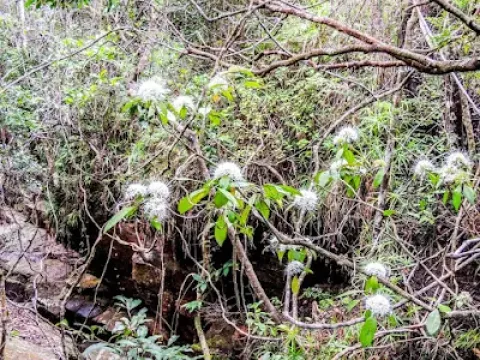
Capparis brassii
Capparis brassii
Capparis brassii is a plant species belonging to the Capparaceae family. It is an evergreen perennial shrub that thrives in tropical environments, characterized by its unique morphological structure and resilience to harsh climatic conditions.
What the section contains
Capparis brassii
The plant demands well-drained, porous soils with a neutral or slightly alkaline reaction. It is essential to avoid sites with heavy clay or poor drainage, as the species is highly susceptible to root rot caused by prolonged waterlogging.
Optimal growth is achieved under full sun exposure. Capparis brassii is highly adapted to high temperatures and can withstand long periods of intense heat without significantly affecting its physiological development or vegetative biomass.
Regarding agricultural practices, minimal intervention is required once the plant is established. However, during the initial phase, careful weed management and controlled irrigation are necessary to ensure the seedling establishes a deep root system.
Climate suitability is limited to tropical and subtropical zones. The plant lacks cold tolerance, and temperatures dropping near freezing point will cause irreversible damage to the canopy and potentially kill the entire plant.
Fungal diseases related to high humidity levels represent the most significant threat to Capparis brassii. Preventive measures, including the application of systemic fungicides and adequate plant spacing, are vital for maintaining plantation health.
Various insect pests, such as spider mites and leaf-miners, frequently target the foliage. Integrated Pest Management (IPM) strategies, involving biological control agents, should be prioritized to reduce dependence on broad-spectrum chemicals.
Nematode infestations in the root zone are a persistent challenge in sandy agricultural soils. The use of sterile planting material and soil solarization methods can help mitigate the pressure from soil-borne pests.
Nutrient deficiencies, particularly chlorosis caused by insufficient iron or magnesium availability, may occur if the soil pH is not maintained within the optimal range. Regular soil and leaf tissue testing are recommended.
Finally, environmental stress from rapid changes in humidity levels can weaken the plant's natural defenses, making it more prone to secondary infections. Keeping a steady irrigation schedule during dry spells helps bolster plant immunity.