
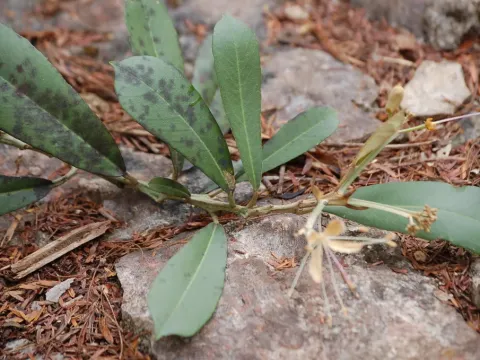
Capparis baducca
Capparis baducca
Capparis baducca is a perennial woody plant belonging to the Capparaceae family. Native to tropical regions of the Americas, this species is well-adapted to warm climates where the frost-free season lasts all year round.
What the section contains
Capparis baducca
The plant thrives in regions with consistent temperatures. It requires high solar radiation to maintain its metabolic rate and ensure the development of strong, healthy branches suitable for agricultural productivity.
Soil structure is critical for this species. It prefers well-aerated, rocky, or sandy loam soils that prevent waterlogging. Excessive moisture in the root zone often leads to rapid decline and root decay in young specimens.
Agricultural techniques focus on moisture management and pruning. While the plant is inherently drought-tolerant, supplemental irrigation during the initial establishment phase is recommended to promote deep root system development.
Nutrient management involves applying balanced, slow-release fertilizers during the growth phase. Maintaining the correct balance of micronutrients is essential to prevent leaf chlorosis, which can occur in highly alkaline soil conditions.
The primary threats to the health of the plant include sap-sucking insects like aphids and whiteflies. These pests can significantly weaken the plant by exhausting its reserves and potentially transmitting viral pathogens.
Fungal diseases, such as leaf spot and powdery mildew, are prevalent in high-humidity conditions. Maintaining proper plant spacing is the most effective cultural method to prevent the spread of fungal spores via stagnant air.
Pest management programs should prioritize integrated pest management (IPM) strategies, utilizing predatory mites or specific biological controls to keep harmful insect populations below the economic injury level.
Careful attention must be paid to the root system, as soil-borne pathogens can become active if drainage is poor. Ensuring that the site remains clear of excessive organic debris helps minimize potential infection sites.
Routine inspections are vital for long-term health. By monitoring the leaves for signs of discoloration or wilting, growers can intervene early and apply targeted treatments to save the plant from severe infestation.