
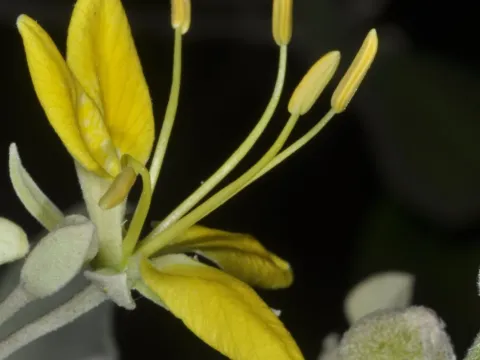
Capparicordis
Capparicordis
Sowing Capparicordis requires specific attention to soil temperature and moisture levels. The seeds should be planted in early spring when the risk of night frost is completely absent.
What the section contains


Capparicordis
The planting depth should be kept shallow, approximately 1 to 2 cm, to ensure that the small seeds can emerge effectively. Using a light, well-draining substrate for starting seeds is highly recommended.
Germination is most successful when the soil remains consistently warm and moist, but never waterlogged. Once the seedlings reach a certain stage of maturity, they can be hardened off for transplanting.
Proper spacing during sowing is vital to prevent overcrowding. Each plant requires enough space to allow for sufficient air circulation, which is essential for overall plant health.
Using row markers during the sowing process helps in managing the field later, especially when applying fertilizers or conducting weed control. Consistency in planting depth leads to uniform emergence.
As a member of the Capparaceae family, Capparicordis thrives in arid and semi-arid environments. It is a highly resilient crop that demonstrates exceptional tolerance to heat and intense solar radiation.
The ideal soil profile for this crop includes rocky or sandy compositions with excellent permeability. The plant struggles significantly in heavy or clay-rich soils that retain excessive water for long periods.
Climate requirements emphasize the need for long, hot summer days and minimal precipitation during the ripening phase. Stability in ambient temperatures is preferred over extreme daily fluctuations.
Agronomic practices should focus on minimal soil disturbance and low-intensity irrigation. Over-fertilization should be strictly avoided to prevent unwanted excessive vegetative growth.
Sun exposure is the most critical factor in successful cultivation. Any shade will significantly reduce the vigor of the plant and decrease the production of floral buds or fruit.
Root rot is the most common threat to Capparicordis, usually triggered by poor drainage or excessive irrigation. Preventing soil saturation is the primary method of crop management.
Common pests like aphids and mites may target the foliage during hot, dry spells. Regular monitoring of the underside of leaves is necessary to catch infestations before they spread.
Fungal diseases such as powdery mildew can become a major concern if the plant density is too high. Improving ventilation between rows usually solves this issue without chemical interventions.
Insects that bore into stems can compromise the structural integrity of the crop. Integrated pest management practices are recommended to keep damage levels within acceptable thresholds.
Maintaining a clean field free of host weeds is essential for preventing the spread of diseases. A robust sanitation routine supports long-term field productivity.