
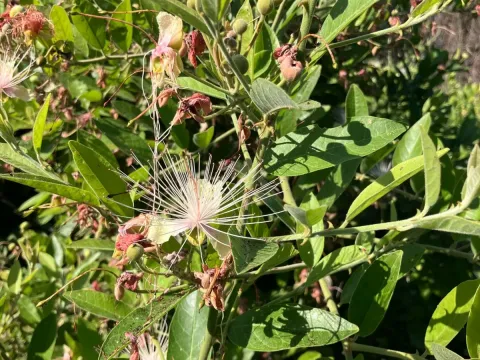
Caper bush
Capparis tomentosa
The caper bush (Capparis tomentosa) belongs to the Capparaceae family. It is a perennial shrub or woody climber, characterized by thorns that allow it to scramble over other vegetation in its natural habitat.
What the section contains
Caper bush
Propagation is primarily achieved through seeds, which require scarification to break their hard dormancy before sowing. Optimal germination occurs in warm soil, typically at temperatures ranging between 20°C and 25°C.
Vegetative propagation via cuttings is also practiced to maintain specific plant traits. Woody cuttings taken during the dormant season are preferred, as they root reliably in a well-draining growing medium.
The plant develops a deep taproot system, which is essential for its survival in arid environments. When planting, it is crucial to avoid areas with high water tables, as poor drainage is the primary cause of plant failure.
Adequate spacing is vital during establishment, as the bush can expand significantly in size. A spacing of 1.5 to 2 meters between plants is recommended to promote airflow and prevent the development of humidity-related diseases.
Native to tropical and subtropical regions of Africa, this plant is exceptionally well-adapted to extreme heat and prolonged droughts. It is considered a resilient crop for cultivation in semi-arid and arid zones.
The caper bush thrives in sandy or rocky soils with excellent drainage. It prefers neutral to slightly alkaline soil pH and performs poorly in heavy, clay-based soils that retain too much moisture during the rainy season.
Full sun exposure is a non-negotiable requirement for optimal development. Shaded conditions significantly inhibit photosynthesis, leading to reduced flowering and poor yield, making sunny, open locations mandatory for successful farming.
While the plant is hardy, it is sensitive to cold temperatures and frost. In temperate climates, protection or indoor cultivation is necessary to prevent freeze damage to the succulent, evergreen-like foliage.
Management involves minimal irrigation once the plants are established. Over-fertilization, especially with nitrogen, should be avoided, as it encourages excessive vegetative growth at the expense of flower bud production.
Aphids and spider mites are the most common pests affecting the caper bush. During hot, dry spells, these pests can quickly colonize the succulent buds and leaves, causing physiological stress and reducing crop quality.
Fungal diseases, including various types of root rot, are typically associated with overwatering or poor soil aeration. Maintaining a dry root zone and promoting good air circulation are essential preventive measures.
Integrated pest management, including the use of biological control agents and localized application of organic pesticides, is recommended over heavy chemical reliance to protect the quality of the harvested buds.
Caterpillars of certain lepidopteran species can occasionally cause damage to the foliage. Routine monitoring allows for early detection, enabling farmers to remove pests manually or treat localized outbreaks efficiently.
Effective weed control is necessary to reduce competition for nutrients and water. Weeds can also act as reservoirs for viruses, so maintaining a clean field environment is critical for long-term plant health.
The primary harvest consists of immature, unopened flower buds, which are the highly prized culinary component. These are picked by hand to avoid bruising or damaging the plant's developing shoots.
Harvesting must be performed regularly, as the buds mature quickly and lose their culinary value once they open into flowers. Daily or semi-daily monitoring of the plantation is required during the peak season.
Post-harvest processing involves curing the buds, usually through pickling in vinegar or brining in salt. This process removes the natural bitterness and develops the specific flavor profile expected of culinary capers.
Young fruits may also be harvested and processed for human consumption, often valued for their nutritional profile and high antioxidant content. They are frequently used in specialty food products in various regions.
Proper storage is essential to preserve the flavor and texture of the processed product. Keeping the jars in a cool, dark environment ensures that the capers maintain their quality throughout their shelf life.