
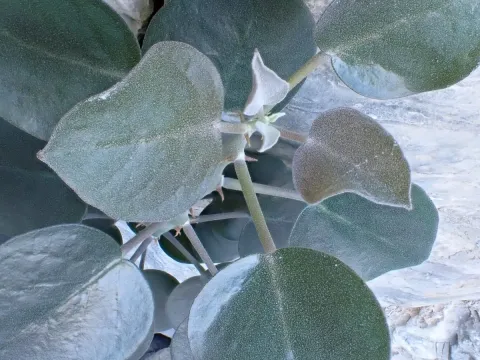
Caper bush
Capparis cartilaginea
The caper bush (Capparis cartilaginea) is a perennial shrub belonging to the Capparaceae family. Propagation is primarily achieved through seeds, although vegetative methods such as cuttings are also used in specific breeding programs.
What the section contains
Caper bush
The optimal time for sowing is during the spring when the soil temperature consistently reaches 18–20°C, ensuring a high germination rate and vigorous early growth.
Seeds possess a hard seed coat, necessitating pre-sowing treatments like scarification or soaking in warm water to break dormancy and facilitate the germination process.
Sowing should be performed at a shallow depth of approximately 1-2 centimeters in a well-aerated, light substrate that provides stable moisture levels without risk of saturation.
Once seedlings have developed a robust root system, they are transplanted into permanent locations, ensuring sufficient space between plants to support long-term development.
Capparis cartilaginea is a highly heliophilic and thermophilic plant, requiring maximum sun exposure throughout the day to achieve optimal physiological growth and yield.
This species is exceptionally well-adapted to arid environments, showing high tolerance to extreme heat and prolonged periods of drought, which makes it ideal for dryland agriculture.
Soil requirements focus on excellent drainage; the plant thrives in stony, sandy, or gravelly substrates and is highly sensitive to waterlogging, which can cause rapid root decay.
The crop tolerates a wide range of soil pH levels and is notably resistant to salinity, allowing for successful production in soils that are often unsuitable for other commercial crops.
Maintenance is minimal regarding irrigation, as the deep taproot system allows the shrub to access subsurface water reservoirs once it becomes established in the field.
Excessive soil and atmospheric humidity represent the most significant threat, as these conditions favor the development of fungal pathogens and detrimental root diseases.
Pests, particularly aphids and various mites, can infest young leaves and flower buds, negatively impacting both the health of the plant and the quality of the harvested product.
Integrated pest management is essential, focusing on the use of biological control agents and maintaining optimal spacing to ensure adequate ventilation and prevent localized outbreaks.
Proper weed management is particularly important during the first two seasons of establishment, as young plants are vulnerable to resource competition from invasive vegetation.
Protection from browsing animals is also recommended, as the fresh growth of the caper bush can be highly attractive to local fauna, potentially reducing overall productivity.
The primary economic output of this culture consists of the unopened flower buds, which are highly valued for their piquant flavor and culinary versatility in global markets.
Harvesting is labor-intensive and must be done manually, requiring careful selection of buds at the correct stage of maturity to ensure high-quality standards.
The harvesting window typically occurs during the early morning hours, which helps preserve the essential oils and firmness of the buds before they are processed.
Immediate post-harvest processing, such as brining or pickling, is required to stabilize the product, maintain its distinct characteristics, and extend its shelf life for retail distribution.
With correct agricultural management, established plantations of Capparis cartilaginea are capable of providing consistent annual yields for many years, offering high economic potential.