
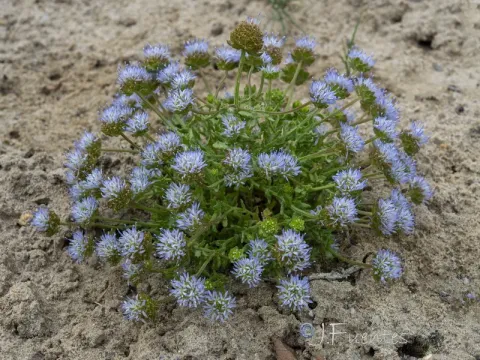
Jasione corymbosa
Jasione corymbosa
Jasione corymbosa, belonging to the Campanulaceae family, is typically propagated through direct seeding into prepared seedbeds during the early spring season.
What the section contains
Jasione corymbosa
For optimal results, seeds should be sown in soil temperatures ranging from 15 to 20 degrees Celsius, ensuring they are lightly covered with a fine layer of substrate.
Starting plants indoors in specialized containers during late winter allows for earlier development, though direct outdoor sowing is preferred for establishing hardier roots.
Uniform spacing is critical for this species to ensure adequate airflow around the basal rosette, which prevents the development of moisture-related issues.
Maintaining consistent moisture levels during the germination phase is essential, as the seeds are quite sensitive to drying out before establishment.
This species thrives in well-drained, sandy or loamy soils with a neutral pH level, making it highly suitable for sunny and elevated garden locations.
Exposure to full sunlight is the most significant requirement for Jasione corymbosa, as it promotes vigorous growth and enhances the intensity of its flowering period.
While the plant shows good drought tolerance once established, supplemental irrigation during prolonged dry spells significantly improves overall plant vigor.
Avoid planting in areas prone to heavy waterlogging, as the species is highly susceptible to root decay when subjected to anaerobic soil conditions.
The plant demonstrates excellent hardiness in temperate climates, effectively surviving cold winters if the soil is kept sufficiently dry during the dormant phase.
Root rot caused by excessive humidity is the primary pathological threat, often exacerbated by poorly drained soil or frequent overhead irrigation in crowded plantings.
Powdery mildew may occur during periods of high humidity and poor circulation, appearing as a white fungal coating on the foliage and reducing photosynthetic efficiency.
Insects like aphids and spider mites occasionally infest the flowering stalks, especially during hot, dry spells, necessitating careful monitoring of the plants.
Gastropods such as slugs and snails are problematic for young seedlings, requiring manual removal or perimeter protection to ensure the survival of the crop.
Implementing a balanced nutrient management program and ensuring adequate plant density are essential cultural practices for preventing systemic infections.