
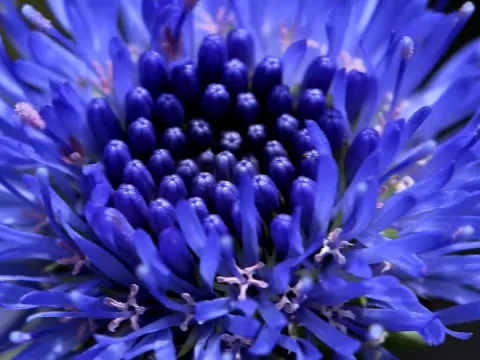
Jasione foliosa
Jasione foliosa
Jasione foliosa is a member of the Campanulaceae family, typically propagated through seeds. The sowing process in open ground should be scheduled for the spring months, specifically April or May, once the soil has warmed up sufficiently to support germination.
What the section contains
Jasione foliosa
The seeds are extremely small, requiring surface sowing techniques. They should be scattered evenly over the surface of a prepared seedbed and lightly pressed into the soil. Covering them with a deep layer of soil should be avoided, as they require light to germinate effectively.
For more controlled results, seedlings can be started in trays or greenhouse pots during late winter. This ensures that the delicate young plants have a stable environment, free from unpredictable outdoor weather conditions, before they are eventually transplanted.
Transplanting should occur once the seedlings develop at least two sets of true leaves. When moving them to their permanent location in the garden, it is recommended to maintain a spacing of at least 25-30 centimeters between individuals to prevent overcrowding.
Consistent moisture is vital during the germination phase. While the plant is drought-tolerant once established, the seeds and young seedlings are sensitive to dehydration and require a light, regular misting to remain viable during their early stages of growth.
This species thrives in sunny locations with well-drained soil. It is an excellent choice for rock gardens or borders where it can receive the necessary amount of direct sunlight to maintain its compact growth habit and produce vibrant, head-like floral displays.
Regarding soil preferences, Jasione foliosa adapts well to poor, sandy, or rocky substrates. It is essential that the soil structure is loose to prevent root rot, as the plant cannot tolerate waterlogged conditions or heavy clay soils that retain excessive moisture.
While the plant is hardy and adaptable, it does not require heavy fertilization. In fact, providing too many nutrients, especially nitrogen, can lead to excessive foliage growth and a reduction in the number of flowers, which is counterproductive for ornamental display.
Climate adaptability is one of its strong suits, as it naturally occurs in regions with fluctuating temperatures. It is hardy enough to survive moderate winters, although providing a light layer of mulch can protect the root system from extreme soil heaving in colder climates.
Proper ventilation is a key requirement for long-term health. The site chosen for planting should allow for good airflow around the base of the plant to prevent the buildup of humidity, which is a common trigger for fungal infections in this family of plants.
The most significant threat to Jasione foliosa is root decay resulting from excessive soil moisture. In garden settings, standing water after heavy rainfall or over-irrigation can lead to the death of the root system and total plant loss within a short period.
Garden pests like slugs and snails are highly attracted to the fresh, tender leaves of the plant. During wet seasons, these mollusks can rapidly defoliate younger specimens. Protective measures, including barriers or eco-friendly baits, are often necessary to safeguard young plants.
Powdery mildew represents a common fungal threat if the plant is grown in conditions with poor air circulation or high humidity. The appearance of white spots on the leaves is a clear indicator of infection, necessitating the removal of affected parts and improved ventilation.
Aphids can occasionally colonize the flower stalks during peak growth. While they rarely kill the plant, their sap-feeding behavior can weaken the overall vigor of the floral display. Using horticultural soaps or natural neem oil sprays is usually sufficient to manage these infestations.
Effective hygiene in the garden is the primary method for disease prevention. Removing dead leaves, weeds, and organic debris from around the base of the plants helps eliminate potential overwintering sites for both fungi and insect pests, ensuring a healthy growing season.