
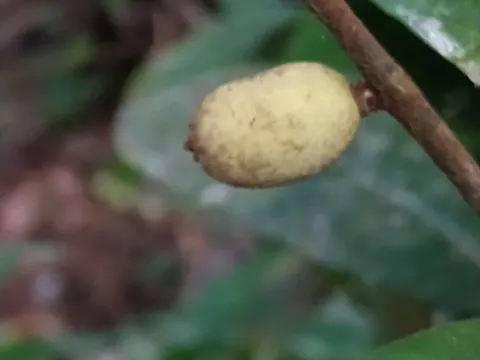
Calycorectes
Calycorectes
Calycorectes is a genus of evergreen trees belonging to the Myrtaceae family. These plants are native to the tropical regions of South America, primarily flourishing in the diverse ecosystems of Brazil, where they form part of the forest structure.
What the section contains
Calycorectes
Botanically, the genus is characterized by dense, glossy, leathery leaves and a robust branch structure. Being part of the Myrtaceae family, they share genetic traits with other well-known fruit-bearing trees, such as guava and pitanga, which are highly valued in tropical horticulture.
The climate requirements for Calycorectes are strictly tropical. They thrive in regions with high average temperatures, typically ranging from 22 to 28 degrees Celsius, and high atmospheric humidity. They are intolerant to frost and cold winds, which restricts their successful cultivation to warm climates.
Soil conditions are critical for the health of these trees. They require well-draining, slightly acidic to neutral soils enriched with organic matter. Waterlogged conditions are detrimental to their root systems, necessitating precise irrigation management.
In terms of light, these plants prefer bright, indirect sunlight. While they can tolerate partial shade in their native forest environment, consistent light exposure is essential for vigorous vegetative growth and the subsequent development of healthy, fruit-bearing wood.
The economic value of Calycorectes lies in its fruit production. The fruits are typically consumed locally, often processed into juices, jellies, or consumed fresh. Their flavor profile reflects the unique characteristics of the tropical environment in which they grow.
Yield levels are largely influenced by the tree's health and the availability of nutrients. Regular applications of balanced fertilizers during the active growing season are recommended to maximize fruit set and improve the overall productivity of the orchard.
Harvesting techniques should be gentle to avoid bruising the delicate skin of the fruit. Due to the relatively short shelf life of the harvest, immediate processing or distribution to local markets is necessary to maintain high quality.
Orchard management includes pruning to allow for better air circulation and light penetration, which in turn reduces the risk of disease. Proper spacing between trees is also vital for ensuring long-term yield consistency and tree longevity.
Future potential for the crop lies in selective breeding to enhance fruit size and disease resistance. As interest in exotic fruits grows globally, there is significant potential for integrating Calycorectes into sustainable agroforestry systems.
The main threats to Calycorectes cultivation include various fungal diseases that thrive in high-humidity environments. Leaf spot diseases are particularly common and require proactive monitoring and the use of preventative cultural practices.
Insects, particularly those that target ripening fruit, can cause significant economic losses. Integrated pest management (IPM) strategies, including pheromone traps and biological controls, are preferred over broad-spectrum insecticides.
Nutrient deficiencies, particularly involving micronutrients like iron or manganese, can manifest as leaf chlorosis. Soil testing is essential to ensure that the pH remains in the optimal range to allow for proper nutrient uptake.
Environmental stress, such as sudden drought followed by heavy rainfall, can lead to physiological fruit drop. Consistent soil moisture levels help mitigate this problem and ensure a stable harvest cycle.
- Fungal leaf infections.
- Fruit-boring larvae.
- Root rot due to poor drainage.
- Leaf-eating pests during the rainy season.