
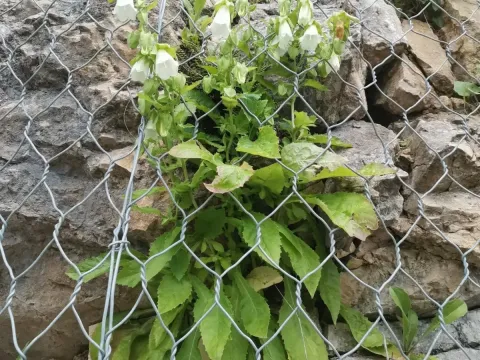
Hofmann's bellflower
Campanula hofmannii
Hofmann's bellflower is a distinctive biennial member of the Campanulaceae family. It completes its vegetative cycle over two years, focusing on foliage growth in the first season and flowering in the second.
What the section contains
Hofmann's bellflower
Sowing in open ground typically takes place in late spring or summer. Because the seeds are minute, they should be surface-sown on fine, moist compost without being covered by soil to ensure light-dependent germination.
When starting indoors, seeds should be placed in a light-transmitting environment at a temperature range of 18 to 22 degrees Celsius to facilitate uniform sprouting.
Transplanting seedlings to their final location is best done in autumn or early spring, ensuring each plant has enough space for proper rosette development.
Spacing should be carefully considered, with a recommended distance of at least 25-30 centimeters between individual plants to prevent moisture-related diseases.
The plant originates from the Balkan Peninsula, which explains its preference for well-drained, rocky or sandy soil types that mimic its natural alpine habitat.
It thrives in locations with full sun to partial shade. In warmer climates, afternoon shade is beneficial to prevent leaf scorch and preserve moisture in the substrate.
Proper drainage is the most critical requirement, as Hofmann's bellflower is highly susceptible to root rot if the soil remains waterlogged for extended periods.
Fertilization should be moderate, using balanced liquid fertilizers during the spring growth phase to support strong stem development and abundant bud formation.
The species is known for its architectural beauty, and it often requires stable, non-acidic soil conditions to reach its full height and flowering potential.
In humid or stagnant air conditions, the primary threats to Hofmann's bellflower are fungal infections, such as powdery mildew, which can affect the leaves.
Slugs and snails are major pests that often target the young, tender foliage of the plants, particularly in early spring when the weather is cool and damp.
Aphids can occasionally cluster on flower stems, requiring the use of insecticidal soaps or neem oil applications to manage the population without harming the plants.
Root rot caused by Phytophthora or Pythium species is a common risk in poorly drained soils, often requiring strict adherence to watering schedules to avoid damage.
Good cultural practices, such as ensuring proper airflow and keeping the base of the plant free from decaying organic matter, are essential for disease prevention.