
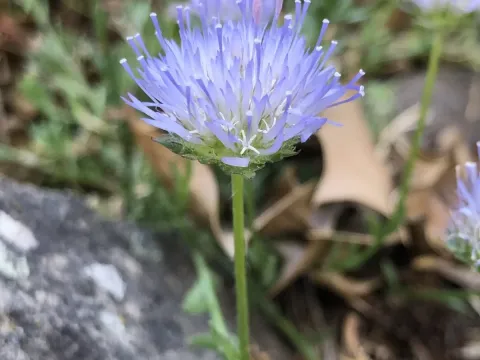
Jasione sessiliflora
Jasione sessiliflora
Jasione sessiliflora is a perennial herbaceous plant belonging to the Campanulaceae family. Native to the Atlantic regions of Europe, this species is well-adapted to maritime climates and thrives in areas with mild winters and moderate humidity levels.
What the section contains
Jasione sessiliflora
The sowing process typically begins in the spring. Since the seeds are very small, they require a well-prepared, fine-textured seedbed. They should be surface-sown and barely covered with soil, as light is essential for their successful germination.
For optimal results, seeds should undergo a period of cold stratification before sowing. This practice mimics natural cycles and significantly increases the overall germination rate, ensuring a uniform stand of plants in the nursery or field.
Seedlings develop slowly, spending the first season focusing on root system and basal rosette development. It is crucial to maintain a weed-free environment during this establishment phase to ensure the young plants have sufficient access to sunlight and soil nutrients.
When planting in rows, a spacing of approximately 25 to 30 centimeters between plants is recommended. This spacing facilitates air circulation around the rosettes and allows for easier mechanical or manual weed control between the rows.
This plant prefers light, well-draining soils such as sandy or loamy types. It is highly intolerant of waterlogged conditions, which can lead to rapid decay of the taproot and crown. Soil pH should ideally be neutral to slightly acidic for the best growth performance.
Full sun is required for the plant to reach its full potential. While it may survive in partial shade, lack of sufficient light will result in leggy stems and reduced flowering, which decreases both the decorative and ecological value of the crop.
Water requirements are moderate. The species possesses a degree of drought tolerance once established, but it thrives best when provided with regular moisture during the peak growing season, particularly when buds are beginning to form.
Fertilization should be applied with caution. Jasione sessiliflora does not require high nitrogen levels, which can make the plants prone to lodging and weaker stems. A balanced, slow-release fertilizer or light organic top-dressing is sufficient for annual growth needs.
The plant is generally cold-hardy, but it benefits from a layer of mulch in regions with harsh, snowless winters. This helps protect the crown and prevents excessive moisture accumulation, which is the primary cause of winter mortality for this species.
Root rot remains the most significant threat to the health of the culture, typically caused by poor soil drainage. Implementing a proper drainage system and avoiding overwatering are the most effective management strategies for long-term health.
Aphids are the most common pests affecting the flowering stage. These insects cluster on the stems and developing buds, removing vital fluids and often transmitting viral pathogens. Targeted applications of insecticidal soap are recommended if infestations become severe.
Slugs and snails are notorious for feeding on the lush green foliage of the rosettes. Protection measures include creating physical barriers around the planting zones or using organic molluscicides to maintain leaf integrity during the active growth period.
Powdery mildew can occur during periods of high humidity and poor air circulation. Increasing the spacing between individual plants and ensuring that the foliage is not wetted during overhead irrigation are key preventive measures for control.
Regular field scouting allows for early detection of any stress symptoms. Removing and destroying affected plants can prevent the spread of localized infections, helping to maintain the productivity and appearance of the entire planting area.