
Jasione heldreichii
Jasione heldreichii
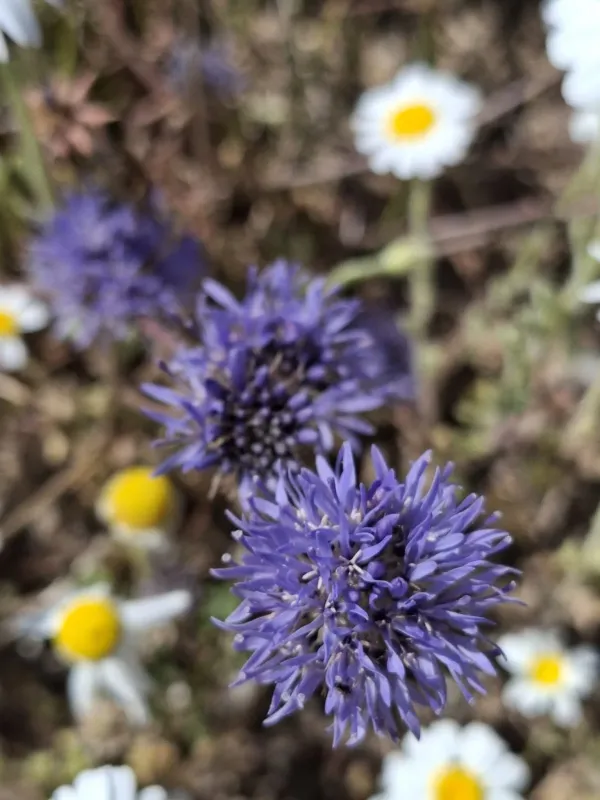
Description
Sowing dates
Sowing of Jasione heldreichii seeds is best conducted in early spring, once soil temperatures reach 12–15 degrees Celsius to encourage steady germination.
For container-grown seedlings, seeds should be sown in a light, well-draining substrate in late winter or early spring, barely covering them with a thin layer of medium.
Direct sowing into the garden bed requires a weed-free, well-tilled surface to ensure that small seeds have adequate contact with the soil and sufficient light exposure.
Transplanting seedlings to their final location is recommended for late May, once the danger of late spring frosts has passed and the plants have hardened off.
Proper spacing of 25–30 centimeters is essential to avoid crowding, which can lead to moisture retention and potential disease development in the dense foliage.
Growing requirements
Jasione heldreichii belongs to the Campanulaceae family and is native to mountainous regions, adapted to poor, rocky, and well-draining substrates.
The plant thrives in full sun exposure, which is necessary to maintain its compact growth habit and produce vibrant, blue, head-shaped flower clusters.
Drought tolerance is a key feature of this species, making it an excellent choice for xeriscaping or rock gardens where soil moisture is naturally low.
Soil pH should remain near neutral or slightly acidic; avoiding excessive fertilization is crucial to prevent the plant from becoming leggy and less resilient.
Although hardy, protecting the base of the plant with light winter mulch can prevent crown rot caused by freeze-thaw cycles in more northern climates.
Main diseases and pests
Fungal issues, particularly root rot, represent the most significant threat to this species, usually associated with poorly drained soil or over-irrigation.
Pests such as aphids and spider mites can occasionally affect the plant during hot, dry spells, focusing their attacks on the succulent flower stems.
Prevention involves ensuring high air circulation around the plants and avoiding the use of fertilizers that encourage soft, succulent growth attractive to pests.
Integrated pest management, including the use of neem oil or natural predators, is preferred over synthetic chemicals to maintain the ecological balance.
- Maintain proper drainage in rock garden pockets.
- Remove any foliage showing signs of mildew or blight.
- Monitor the soil moisture levels to avoid waterlogged conditions.
Harvesting
The primary use of Jasione heldreichii is horticultural, serving as a decorative element in alpine borders, rock crevices, and naturalistic landscape designs.
Seed harvesting should be performed in late summer once the seed heads darken and become dry to ensure high viability for the next season's crop.
The plant can be utilized as a dry flower if harvested at the peak of bloom and carefully air-dried in a shaded, well-ventilated location to preserve color.
Deadheading spent flowers helps redirect the plant's energy toward root growth and potentially triggers a secondary bloom late in the season.
Consistent aesthetic quality is the main yield metric for growers, with healthy plants providing a reliable display of blue flowers throughout the summer.