
Isotoma anethifolia
Isotoma anethifolia
Description
Sowing dates
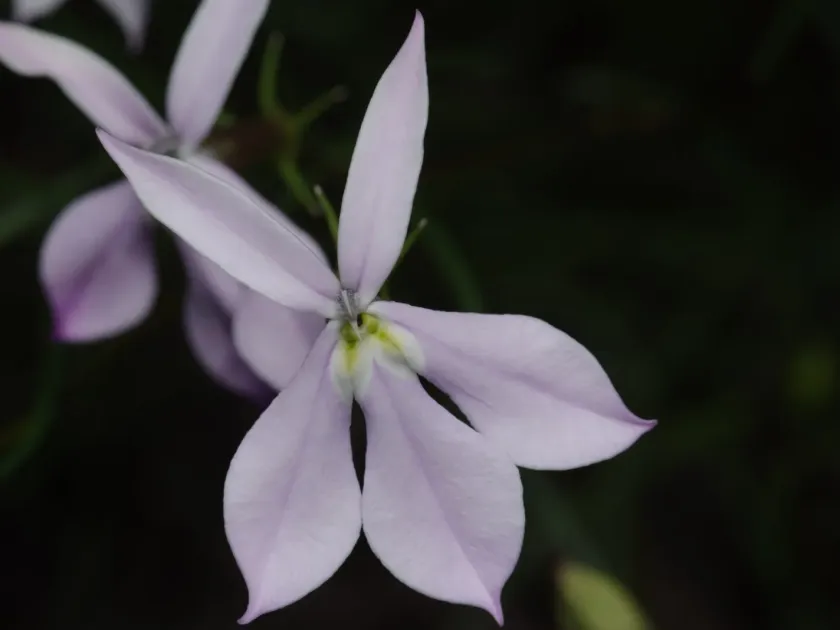
Isotoma anethifolia is a charming ornamental species belonging to the Campanulaceae family. Native to the diverse landscapes of Australia, this plant has gained popularity among gardeners for its delicate, fern-like foliage and star-shaped flowers that provide a long-lasting display.
Propagation is primarily achieved through seeds, which are sown indoors during late winter. Given the minuscule size of the seeds, they should be surface-sown on a fine, moisture-retentive seed starter mix without covering them too deeply, as they require light to germinate.
Maintaining a consistent soil temperature of approximately 20°C is crucial for successful germination. Using a humidity dome or a thin layer of plastic wrap can help maintain the necessary moisture levels until the seedlings emerge, which typically happens within a few weeks.
Once seedlings have developed at least two sets of true leaves, they should be transplanted into individual pots to encourage a strong root system. This hardening-off period is essential before introducing the plants to the outdoor environment to prevent transplant shock.
Planting in the final location should occur only after the danger of frost has passed. Whether in beds or containers, ensuring they receive optimal sunlight is key to maximizing their bloom potential throughout the growing season.
Growing requirements
Isotoma anethifolia thrives in well-drained, fertile soil. Heavy or compacted soils that retain excessive water are unsuitable, as they significantly increase the risk of root rot, the most common physiological challenge for this species.
Consistent moisture is required during the active growing season. While the plant prefers regular watering, the soil must never remain waterlogged; the best approach is to allow the surface layer to dry out slightly between watering intervals.
A balanced liquid fertilizer applied every few weeks throughout the blooming period will support vigorous growth. It is important to avoid high-nitrogen fertilizers, which promote excessive leafy growth at the expense of flower production.
The plant performs best in a sunny position but can tolerate partial shade, especially in hotter climates where the midday sun might be too intense. Good air circulation is vital to prevent fungal issues and ensure the plant remains healthy.
Temperature management is another key aspect of cultivation. While the plant prefers moderate conditions, it should be protected from harsh winds and extreme weather fluctuations to maintain its delicate structure and vibrant color.
Main diseases and pests
Root rot is the most serious threat to the longevity of Isotoma anethifolia. This condition is almost always associated with poor drainage or overwatering, making the control of soil moisture the primary preventative measure.
Fungal pathogens such as powdery mildew can affect the foliage during humid or damp conditions. Using appropriate fungicides and ensuring good airflow around the plants are effective strategies for managing these outbreaks.
Pests like aphids are common invaders, specifically targeting tender new growth. Early detection through regular monitoring allows for the use of soft soaps or biological controls to manage infestations before they spread to other plants.
Slugs and snails can also pose a significant threat to young, succulent plants. Implementing physical barriers like copper tape or crushed eggshells around the base can help deter these pests from consuming the foliage.
By maintaining proper hygiene in the garden, such as removing dead plant debris and spacing plants appropriately, growers can minimize the prevalence of these threats and ensure the health of their decorative specimens.