
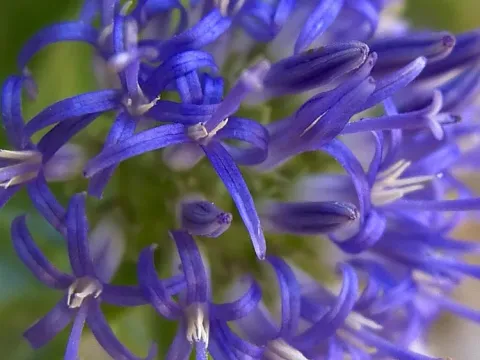
Jacquin's bellflower
Campanula jacquinii
The sowing of Jacquin's bellflower seeds should ideally take place in early spring, once the threat of severe night frosts has completely subsided.
What the section contains
Jacquin's bellflower
Utilizing a lightweight, sterile potting mix is crucial for the germination phase, as the seeds are quite delicate and sensitive to soil compaction.
Surface sowing is recommended, as the seeds require exposure to light to initiate the germination process, so they should be pressed gently into the medium.
Maintaining a consistent environment with temperatures between 18 and 20 degrees Celsius will ensure the highest possible success rate for seedling emergence.
Seedlings should be kept in a bright location, sheltered from direct, harsh sun during the initial weeks of growth to prevent scorching and dehydration.
Jacquin's bellflower thrives in locations with full to partial sunlight, requiring at least six hours of light per day for optimal development and flowering.
The soil must be well-drained and alkaline to neutral in pH, as these conditions mimic the natural habitat where this Campanulaceae species originated.
Regular but moderate watering is necessary, allowing the top inch of the soil to dry out slightly between irrigation events to prevent root suffocation.
Fertilization should be handled with care; a balanced, diluted fertilizer applied once in the spring will provide enough nutrients without encouraging excessive foliage growth.
Proper spacing is essential to allow for adequate airflow around the plant, which is critical in preventing the buildup of humidity that can damage the foliage.
Fungal pathogens such as powdery mildew represent a significant challenge, typically appearing during periods of high humidity or poor ventilation.
Root rot is perhaps the most dangerous threat to the plant, usually caused by improper soil drainage or overwatering in poorly ventilated container environments.
Pests such as aphids and spider mites can colonize the plant, leading to stunted growth and damaged floral structures if left untreated for long periods.
Gastropods, including snails and slugs, are particularly fond of the young, tender leaves and can defoliate the plant if protective barriers are not applied.
Integrated pest management, including regular visual inspections and the immediate removal of infested parts, is the most effective strategy to ensure plant health.