
Jerusalem Bellflower
Campanula hierosolymitana
Description
Sowing dates
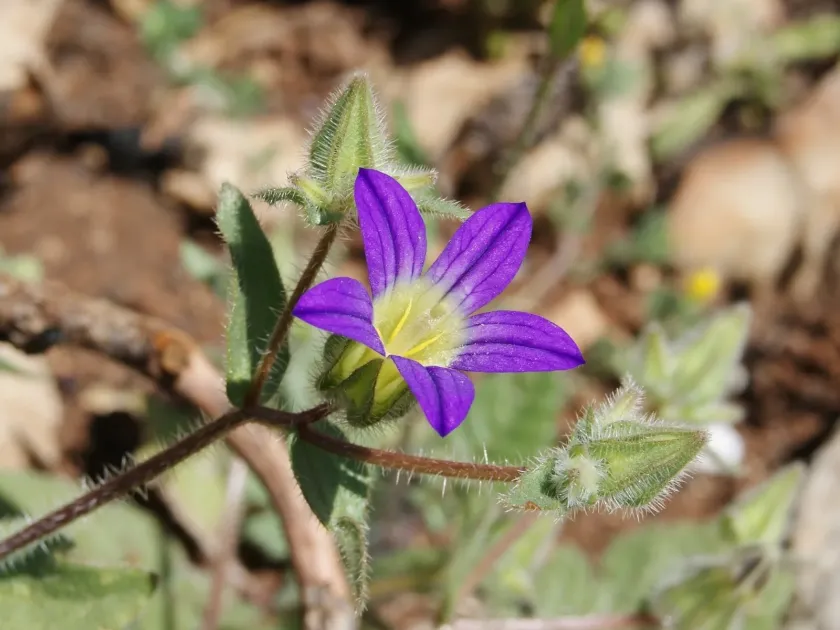
The Jerusalem Bellflower (Campanula hierosolymitana) is a perennial herbaceous plant belonging to the Campanulaceae family. It is native to the Middle East, specifically the mountainous areas around Jerusalem.
Seeds should be sown in a light, well-draining substrate. Given their small size, they require only a light covering of soil or grit to ensure optimal germination rates under stable moisture conditions.
Germination typically occurs within two to three weeks when maintained at temperatures around +18 degrees Celsius. Providing indirect light is essential during the initial growth phase.
Transplanting should be handled with extreme care, as the species develops a fragile root system that is sensitive to disturbance once the plant matures in the field.
Commercial or home garden cultivation focuses on creating rocky or alpine-style beds that mimic the plant's natural arid and well-drained habitat for maximum success.
Growing requirements
This species demands full sun exposure but prefers protection from the harshest mid-afternoon heat in regions with high temperatures, requiring well-ventilated conditions.
Soil composition is critical; it must be alkaline or neutral, gritty, and lean. Rich, heavy, or water-retentive soils are detrimental to the health of this specific variety.
Irrigation must be strictly controlled. It is far better to keep the plant slightly dry than to provide too much moisture, which is the primary cause of root failure.
Minimal fertilizing is required for Jerusalem Bellflower. Excessive nitrogen leads to leggy growth and reduces the density of the flowers, which are the plant's primary ornamental feature.
The plant thrives in low-humidity environments. Improving soil drainage with coarse sand or gravel is a mandatory agricultural practice for this species.
Main diseases and pests
Root rot is the most significant threat to the Jerusalem Bellflower. It is usually caused by poorly draining soils or excessive watering regimes during the dormancy period.
Aphids can cause significant damage to the flower buds and tender stems, requiring immediate attention to prevent the distortion of plant growth and appearance.
Slugs and snails frequently target the basal foliage, particularly in the spring months when new growth is emerging after the winter season.
Fungal diseases like powdery mildew may appear if air circulation is insufficient or if the foliage remains wet for extended periods during humid weather.
- Use of well-drained sandy substrates.
- Careful monitoring for aphid infestations.
- Application of slug barriers.
- Maintaining good spacing between plants.
- Prompt removal of diseased plant parts.