
Ivy-leaved bellflower
Wahlenbergia hederacea
Description
Growing requirements
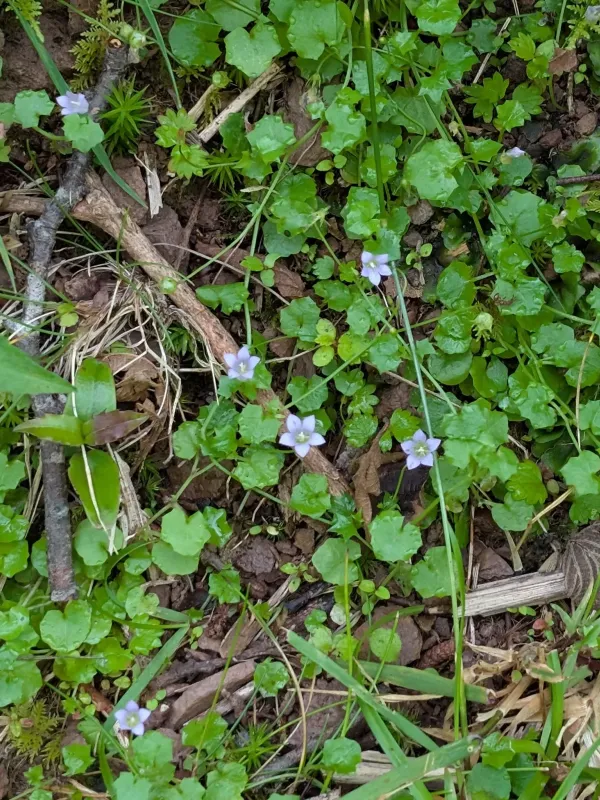
The ivy-leaved bellflower (Wahlenbergia hederacea) is a delicate perennial herb belonging to the Campanulaceae family. It is characterized by slender, creeping stems and small, ivy-like heart-shaped leaves, which form dense, low-growing mats in its native habitats across Western Europe.
This species is native to regions with high humidity and oceanic climates, such as the United Kingdom, Ireland, and the Atlantic coastal areas of Europe. It primarily grows in damp pastures, along stream banks, and within heathlands, preferring acidic and permanently moist soils to thrive.
In terms of agricultural and horticultural requirements, moisture is the most critical factor for success. The plant cannot tolerate drought and requires a consistent supply of water, making it suitable for damp, shaded corners of gardens, specialized bog gardens, or the edges of natural ponds.
The botanical highlight of this plant is its pale blue, bell-shaped flowers that appear during the summer months. These blossoms are small and refined, providing a subtle decorative beauty that fits well into naturalistic landscape designs that mimic wild, wet ecosystems.
While not a commercial field crop, the ivy-leaved bellflower is of value to enthusiasts of rare native flora and specialized horticulture. Cultivation requires careful attention to soil acidity and environmental conditions, as the species is sensitive to disturbance and changes in its immediate micro-environment.
Main diseases and pests
The main threat to the survival of the ivy-leaved bellflower in nature is the drainage of wetlands and changes in land management that lead to the loss of suitable habitats. Agricultural intensification often destroys the specific environmental conditions necessary for this delicate species.
In garden settings, the plant is vulnerable to competition from more aggressive weeds, which can quickly overgrow the creeping stems. Regular, careful manual weeding is required to maintain the health and visibility of the plant without damaging its fragile root system.
Slugs and snails represent the primary pest threat, particularly in the moist, shaded environments that the plant prefers. These mollusks can consume the foliage rapidly, necessitating the use of deterrents or frequent inspection to protect the ornamental value of the planting.
Fungal diseases related to stagnant air and high humidity levels can pose a challenge. Ensuring adequate air circulation around the plants is essential for disease prevention, especially in glasshouse or protected cultivation environments where airflow might be limited.
Exposure to extreme cold and frost without adequate snow cover can be fatal to the plant. Gardeners should provide protective mulching or cultivate the species in moveable containers that can be sheltered during the coldest winter periods to ensure survival for the next growing season.