
Calycocorsus stipitatus
Calycocorsus stipitatus
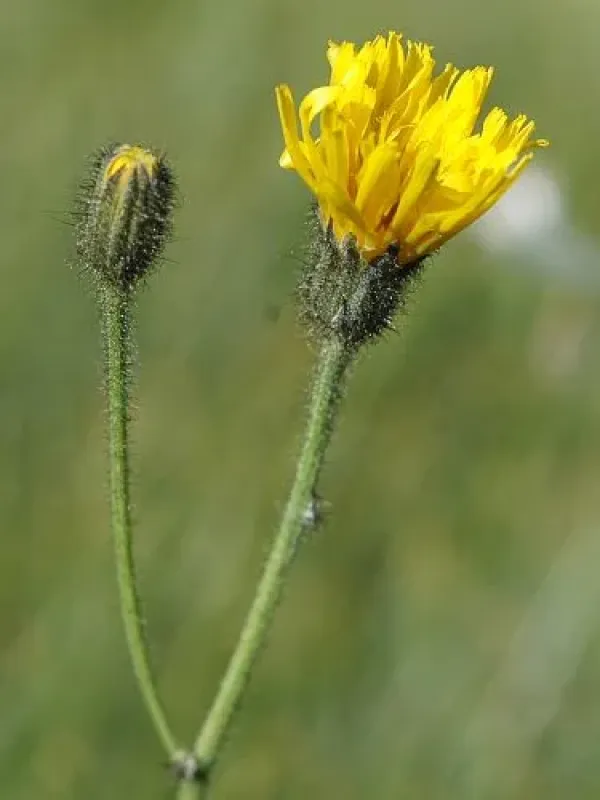
Description
Growing requirements
Calycocorsus stipitatus is a perennial herbaceous plant belonging to the Asteraceae family. It is known for its ability to thrive in temperate forest-steppe zones, demonstrating strong adaptability to varied soil and moisture conditions.
The plant prefers well-drained, fertile soils with sufficient organic matter content. It is typically found in natural meadow ecosystems and forest clearings, where it competes for light and nutrients within diverse plant communities.
As a resilient species, it shows significant tolerance to cold winter temperatures. Its root system is structurally adapted to explore deep soil layers, which helps the plant survive periods of seasonal water deficit.
For successful cultivation, the soil should maintain a neutral or slightly acidic pH level. High soil compaction should be avoided, as the plant performs best in porous, aerated substrates that facilitate root growth and nutrient uptake.
The species is light-demanding, requiring open or semi-open sites to reach its full vegetative potential. In an agricultural context, it benefits from moderate management that prevents the encroachment of invasive woody species.
Harvesting
The harvest of Calycocorsus stipitatus is generally aimed at forage production. It serves as a valuable component of natural grasslands, contributing to the total biomass yield available for livestock grazing.
To maximize nutritional quality, harvesting should occur during the early flowering phase. At this stage, the chemical composition of the plant is optimal for digestibility and energy concentration.
Mechanical harvesting requires careful adjustment of equipment to preserve the integrity of the leafy mass. Efficient drying processes are crucial to ensure that the harvested material remains stable during long-term storage.
If managed as a part of a permanent pasture, rotational grazing is recommended to ensure sustainable regrowth. Monitoring the density of the stand helps in managing the productivity of the grassland over time.
Post-harvest handling involves cleaning and separating seeds if the plant is intended for propagation. Seed storage should prioritize dry, cool conditions to maintain viability for future sowing cycles.