
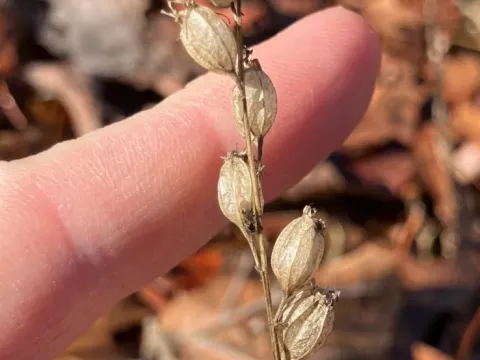
Indian tobacco
Lobelia inflata
Indian tobacco (Lobelia inflata) is an annual plant belonging to the Campanulaceae family that thrives in temperate climates. Successful cultivation begins with careful planning of sowing dates, usually in early spring.
What the section contains
Indian tobacco
Due to the small size of the seeds, they are typically started in trays or greenhouses. Sowing usually occurs in March, allowing plants to develop a strong root system before being transplanted into the field.
When sowing, seeds should be surface-sown on a well-prepared seedbed and not covered with soil, as they require light to germinate effectively. Maintaining a high level of humidity is crucial during this stage.
For direct seeding outdoors, it is necessary to wait until all danger of frost has passed and soil temperatures have reached at least 15 degrees Celsius to ensure steady growth.
Proper spacing is vital to ensure that each plant receives adequate nutrients and airflow, which minimizes the risk of competition between individual specimens during the vegetative phase.
Indian tobacco performs best in full sun, as light intensity is directly linked to the concentration of alkaloids within the plant tissue. Shady areas should be avoided to ensure maximum yield.
The ideal soil for this crop is light, well-draining, and rich in organic matter. While it prefers neutral soil, it can tolerate slightly acidic conditions, provided the drainage is excellent.
Water management is a key aspect of lobelia agronomy. The crop requires consistent soil moisture but is highly sensitive to waterlogged conditions, which can lead to root rot.
Soil fertility can be managed through the application of compost or well-rotted manure before planting. Over-fertilization with nitrogen should be avoided to prevent excessive vegetative growth at the expense of medicinal quality.
A protected environment, sheltered from strong winds, is beneficial for the plants as it helps maintain a stable microclimate and prevents physical damage to the fragile stems.
Fungal pathogens represent the most significant threat to Indian tobacco, particularly under conditions of high humidity and poor air circulation. Root rot is a common issue in overly saturated soils.
Powdery mildew can infect leaves during late summer when humidity levels fluctuate. Regular inspections and ensuring enough space between plants are effective preventive measures.
Pests like slugs and snails are particularly problematic for young seedlings, as they can consume foliage rapidly. Protective barriers or organic traps can be used to mitigate this damage.
Aphids may occasionally target the developing flower heads, necessitating the use of biological control agents or insecticidal soaps if an infestation occurs.
Weed management is crucial throughout the growing season, as weeds compete for essential resources and can harbor diseases that affect the main crop.
The harvest of Indian tobacco is timed to coincide with the period of peak flowering. This is when the plant's alkaloid content, specifically lobeline, is at its highest level.
Plants are typically cut a few centimeters above the ground once they are in full bloom. This stage allows for the collection of both stems and leaves, which contain the medicinal compounds.
Post-harvest processing requires immediate drying in a shaded, well-ventilated area. Rapid drying is essential to prevent the degradation of active ingredients and to inhibit mold growth.
If artificial drying is utilized, the temperature should not exceed 45 degrees Celsius. Exposing the harvested material to direct sunlight must be avoided to preserve the plant's chemical profile.
Once dried to the desired moisture level, the material is processed for storage. It should be kept in cool, dark, and dry conditions to ensure its longevity for pharmaceutical purposes.