
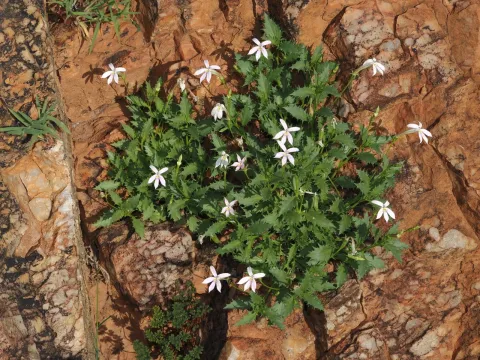
Isotoma petraea
Isotoma petraea
Sowing Isotoma petraea is best performed in late winter or early spring in a controlled environment. The seeds are very small and should be surface-sown on a fine, well-draining seed-starting mix without being buried.
What the section contains
Isotoma petraea
Providing a consistent temperature between 18°C and 22°C is crucial for successful germination. Using a humidity dome or covering the tray with clear plastic helps maintain the necessary moisture levels during the early development stage.
Seedlings should be pricked out and transplanted into individual pots once they develop their first set of true leaves. Gentle handling is essential as the root systems are sensitive to disturbances during the early growth period.
Hardening off the plants is a necessary step before moving them to their permanent outdoor location. Gradually increasing exposure to sunlight and outdoor temperatures over a two-week period reduces transplant shock.
Direct sowing in the garden is possible in mild climates, though autumn sowing is often more successful as it allows for natural stratification. Ensure the soil surface is kept clear of debris to provide maximum light access for the tiny seeds.
As a member of the Campanulaceae family, Isotoma petraea originates from rocky outcrops and crevices, which dictates its specific environmental preferences. High-quality drainage is the single most important factor for success.
This species thrives in full sun, where its compact growth habit is best maintained. In locations with intense heat, partial afternoon shade may be beneficial, though insufficient light will result in leggy and weak plants.
The soil should be sandy, gritty, or rocky, effectively mimicking the natural cliffside conditions the plant is adapted to. Avoiding rich, moisture-retentive organic matter is key to preventing physiological disorders.
Watering requirements are moderate; the soil should be allowed to dry out significantly between irrigation sessions. Overwatering is the most common cause of failure in domestic cultivation, as it quickly leads to root rot.
Isotoma petraea is generally low-maintenance regarding nutrition. An occasional application of a balanced liquid fertilizer at half-strength during the active growing season is sufficient to encourage healthy flower production.
Root rot and crown rot, caused by various fungal pathogens, are the primary threats to this species. These issues are almost exclusively linked to poor drainage and waterlogged soil conditions.
Aphids and spider mites are the most common pests found on Isotoma petraea. These insects tend to congregate on the softest parts of the plant, often leading to stunted growth if left unmanaged.
Gastropods, including snails and slugs, can cause significant damage to young transplants by feeding on the leaves. Protective barriers like crushed eggshells or copper tape can be effective in deterring these pests.
Bacterial infections can sometimes enter the plant through tissue damage caused by improper pruning or heavy mechanical impact. Maintaining clean tools and careful handling helps prevent these localized infections.
Overall plant health is best maintained through proper site selection and strict adherence to watering protocols. Healthy specimens have a natural resilience that allows them to withstand minor pest pressure without intervention.