
Jasione penicillata
Jasione penicillata
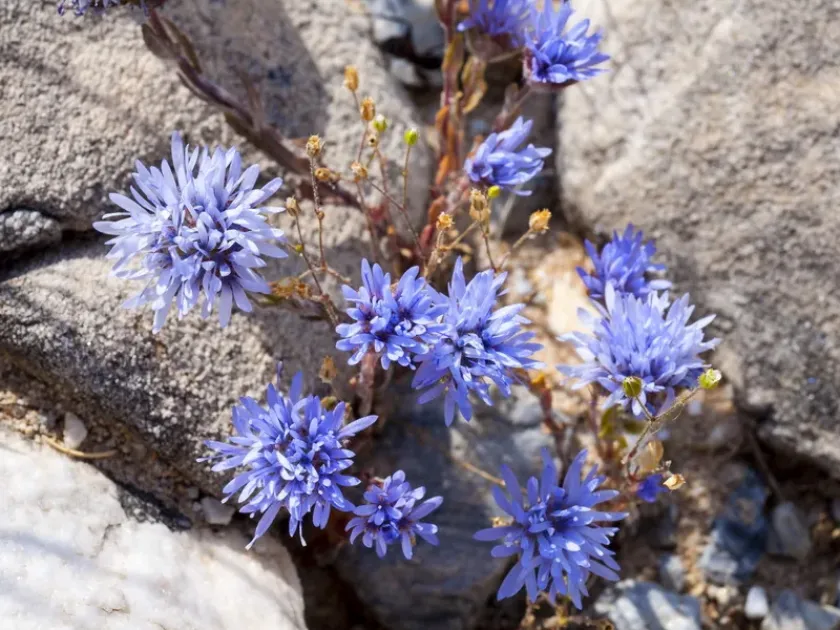
Description
Sowing dates
Sowing of Jasione penicillata is typically performed in early spring or late autumn, utilizing light, well-draining seed-starting mixtures.
The seeds are exceptionally small and require surface sowing, as they need exposure to light to trigger the germination process effectively.
Optimal germination occurs at temperatures between 18°C and 20°C, requiring consistent humidity without allowing the surface to become waterlogged.
Once seedlings have developed at least two true leaves, they can be carefully pricked out and transplanted into individual cells for better root development.
Acclimatization of seedlings to outdoor conditions should be carried out gradually over the course of a week before final transplantation into the field.
Growing requirements
Jasione penicillata is a member of the Campanulaceae family, native to the Iberian Peninsula, where it thrives in rocky and sandy habitats.
This species demands full sun exposure to maintain its compact growth habit and to ensure the production of its characteristic blue flower heads.
The preferred soil type is poor, sandy, or gravelly with an acidic to neutral pH, which mimics its natural environment and promotes plant health.
Watering requirements are low, as the plant is adapted to survive periodic droughts, making it an excellent candidate for xeriscaping projects.
Good soil drainage is essential for the longevity of the plant; stagnant water often causes crown rot and leads to the rapid decline of the crop.
Main diseases and pests
Fungal pathogens such as root rot and powdery mildew are the primary threats, especially when ventilation is poor or humidity levels remain high.
Common insect pests include aphids and mites, which can sap plant vigor and leave behind residues that promote the growth of sooty mold.
Managing the plant environment through strategic spacing and avoiding overhead irrigation can significantly reduce the risk of disease outbreaks.
Early detection is crucial; regular scouting of the undersides of leaves and stems allows for immediate spot treatment of infected areas.
Maintaining a weed-free environment is vital, as competition for nutrients and water can stress the plant and make it more susceptible to infections.
Harvesting
Harvesting for seed production is done once the seed heads turn brown and begin to dry naturally on the stalks during late summer.
Seeds are collected by gently shaking the flower heads into containers, or by cutting the entire stalks and drying them in a controlled environment.
Processing involves threshing the dried material to separate the seeds from the chaff, followed by cleaning with fine-mesh screens.
Stored seeds must be kept in a cool, dark, and dry environment to maintain maximum viability for the following growing season.
Proper seed storage protocols ensure that the germination rate remains high, allowing for successful cultivation in subsequent years.