
Jaubert's bellflower
Campanula jaubertiana
Description
Growing requirements
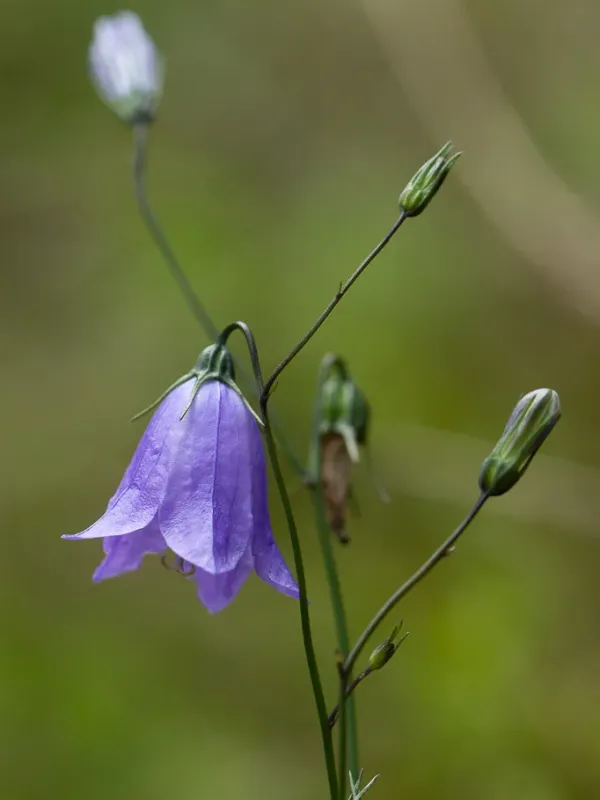
Jaubert's bellflower (Campanula jaubertiana) is a perennial herbaceous plant belonging to the Campanulaceae family, known for its elegant habit.
The species originates from specific mountainous regions in Europe, typically occupying rocky crevices and scree slopes in the wild.
To cultivate this species successfully, gardeners must provide well-drained, lime-rich soils that prevent any moisture from sitting around the roots.
The plant thrives in cool to moderate climates, preferring locations that offer morning sun but protection from the harsh heat of the afternoon.
It is widely utilized in rock gardens and alpine planting schemes where its compact growth pattern adds significant ornamental value to the landscape.
Main diseases and pests
The primary concern for this species is the development of root rot, which is almost always a result of poor drainage or excessively wet winter conditions.
Powdery mildew represents a significant fungal threat, characterized by white spots on leaves, especially when air circulation is inadequate.
Slugs and snails are the most prevalent pests, often causing extensive damage to foliage and preventing the plant from reaching its full aesthetic potential.
Managing the surrounding area by removing weeds and preventing soil compaction is essential for maintaining the overall vigor of the plants.
Integrated pest management strategies, such as biological control or localized application of fungicides, should be employed if infections appear.