
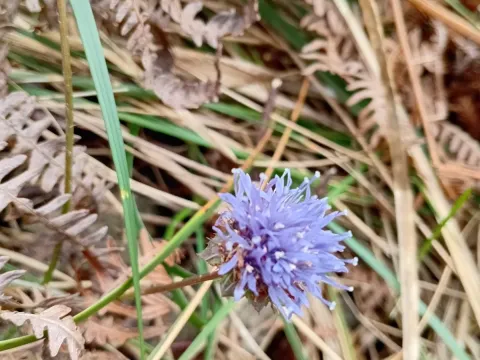
Jasione
Jasione
Jasione, belonging to the Campanulaceae family, is a genus that requires specific attention during the sowing process. Seeds are typically sown in early spring as soon as the soil temperatures consistently exceed 10 degrees Celsius.
What the section contains
Jasione
The seeds are exceptionally small, requiring a shallow sowing method. They should be surface-sown on fine-textured soil and pressed lightly to ensure soil-to-seed contact without burying them too deeply.
Autumn sowing is also a viable option in many climates, as the seeds benefit from natural cold stratification, which leads to more vigorous germination when temperatures rise in the spring.
If starting indoors, it is necessary to provide supplemental light for the seedlings to prevent etiolation. Seedlings are generally ready for transplanting once they reach a size of 5-8 centimeters.
Space the plants approximately 20-30 centimeters apart to ensure adequate airflow, which is critical for reducing the incidence of fungal diseases during the later stages of growth.
Jasione thrives in sunny positions and is notably well-adapted to light, sandy, and nutrient-poor soils. It is often found in the wild in locations where other agricultural crops would struggle to survive.
Proper drainage is the most vital requirement for successfully cultivating this crop. Even brief periods of waterlogging can cause significant root damage and rapid decline in plant health.
The plant demonstrates excellent hardiness and can tolerate temperature fluctuations well. It prefers neutral to slightly acidic soil conditions and does not require intensive fertilization.
While Jasione is drought-tolerant once established, supplemental irrigation may be beneficial during prolonged dry spells to maintain active growth and prevent premature wilting of the foliage.
It is important to keep the area around the plants free of competing weeds. Jasione is a relatively slow starter in its first year and can be easily overwhelmed by aggressive grasses or weeds.
Jasione's economic value is primarily rooted in its role as a pollinator-friendly plant. It acts as an important nectar source for bees and various beneficial insects in meadow and pasture settings.
As a landscape crop, the yield is measured in the number of healthy, vibrant flower heads produced per unit area. High-density planting can create visually striking results in controlled agricultural trials.
Seed production requires careful timing. The inflorescences should be harvested once they turn a dull brown and before the tiny seeds are naturally dispersed by the wind or rain.
The crop does not serve a traditional fodder purpose but contributes to biodiversity. Its root system is effective in stabilizing loose soil, which has value in sustainable land management projects.
Longevity of a single plant is typically around 3-5 years. To maintain a consistent yield of blooms, it is recommended to introduce new plantings periodically to keep the field young and productive.
Fungal pathogens, particularly powdery mildew, are the most frequent threats to Jasione. These diseases are often encouraged by high humidity levels and poor ventilation between dense plantings.
Insect pests such as aphids can cause damage by feeding on the sap of young stems and buds. Regular monitoring is essential to catch infestations early before they lead to structural plant damage.
Slugs and snails can also be problematic, especially in damp environments. They target the succulent leaves and can significantly impact the visual quality and photosynthetic capacity of the plants.
Root rot is the primary physiological threat, usually resulting from poor site selection or improper irrigation management. Avoiding low-lying, poorly drained areas is the best preventive strategy.
- Ensure good aeration by correct plant spacing.
- Remove infected debris immediately to prevent spread.
- Use physical barriers to protect against gastropods.