
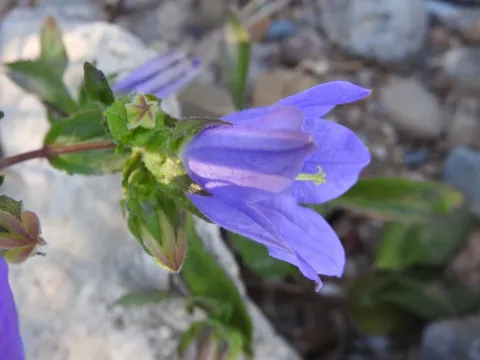
Campanula pelviformis
Campanula pelviformis
Sowing of Campanula pelviformis is typically performed in late autumn or early spring. Due to the tiny size of the seeds, they should be surface-sown onto a fine, moist substrate without covering them, as they require light to germinate effectively.
What the section contains
Campanula pelviformis
For professional nursery production, tray sowing in a temperature-controlled greenhouse is recommended. Maintaining a constant temperature of approximately 20 degrees Celsius and high relative humidity is crucial during the first two weeks of the germination phase.
Once the seedlings reach the two-leaf stage, they must be pricked out into individual cells or small pots. This spacing prevents overcrowding and reduces the competition for light and nutrients, which is vital for developing a robust root system.
Hardening off the seedlings is essential before transplanting them into the open field. This process involves gradually exposing the plants to lower temperatures and increased air circulation over a period of 7 to 10 days to improve their field establishment.
Transplanting into the permanent garden site should be done after the risk of frost has passed. Planting depth should be level with the top of the root ball to prevent crown rot, a common issue in this species when buried too deeply.
As a member of the Campanulaceae family, Campanula pelviformis demands well-drained, fertile, and slightly alkaline soil to thrive. It is native to the island of Crete, so it prefers locations with high solar radiation and good air circulation.
Watering management is critical; while the plants require consistent moisture during the blooming period, the soil must be allowed to dry slightly between waterings to prevent root system suffocation and fungal development.
Fertilization regimes should focus on balanced NPK applications in the spring. Excessive nitrogen should be avoided to prevent leggy growth, which can make the plants susceptible to lodging during heavy winds or rain.
The optimal climate for this species is Mediterranean-like, characterized by warm summers and mild winters. In regions with severe winters, overwintering in pots inside a cold frame or greenhouse is highly recommended to ensure plant survival.
Weed management and regular soil aeration around the base of the plants are necessary to maintain healthy growth. Maintaining an open, debris-free environment significantly reduces the pressure from soil-borne pathogens.
The most significant threats to Campanula pelviformis are fungal pathogens, specifically Botrytis cinerea and various species of Fusarium. These typically arise under conditions of high humidity, poor drainage, or inadequate ventilation.
Powdery mildew can be a persistent issue during dry, warm spells. Effective management includes the application of systemic fungicides and removing any highly infected foliage to prevent the spread of spores to healthy plant tissue.
Pests such as aphids and spider mites can infest the soft terminal growth during the active growing season. Integrated pest management, including the use of horticultural oils or insecticidal soaps, is the preferred method for control.
Gastropods, including snails and slugs, are particularly destructive to young, tender foliage. Installing copper tape or organic baits around the perimeter of the planting area can help minimize damage during the early establishment phase.
Regular sanitation, such as removing spent flowers and debris, is a vital agronomic practice. This reduces the habitat for pests and pathogens and diverts the plant's energy toward further floral production and root development.